
The Psychological Impact of Chronic Wounds and the Power of Compassionate Care
Chronic wounds raise depression and anxiety risk significantly. Learn the psychological impact of chronic wounds and how compassionate care improves healing.
Dr. Marcus Gitterle Shares Emerging Wound Care Research at IPAWS/Tissue Repair Summit 2026
Dr. Marcus Gitterle shared presentations on calciphylaxis, diabetic foot ulcers, and emerging autologous blood-based wound-healing research.
Wound Care Audit Readiness: A Proactive Compliance Process
Learn how wound care programs can build audit readiness through clear roles, routine reviews, practical staff education, and consistent operational processes.
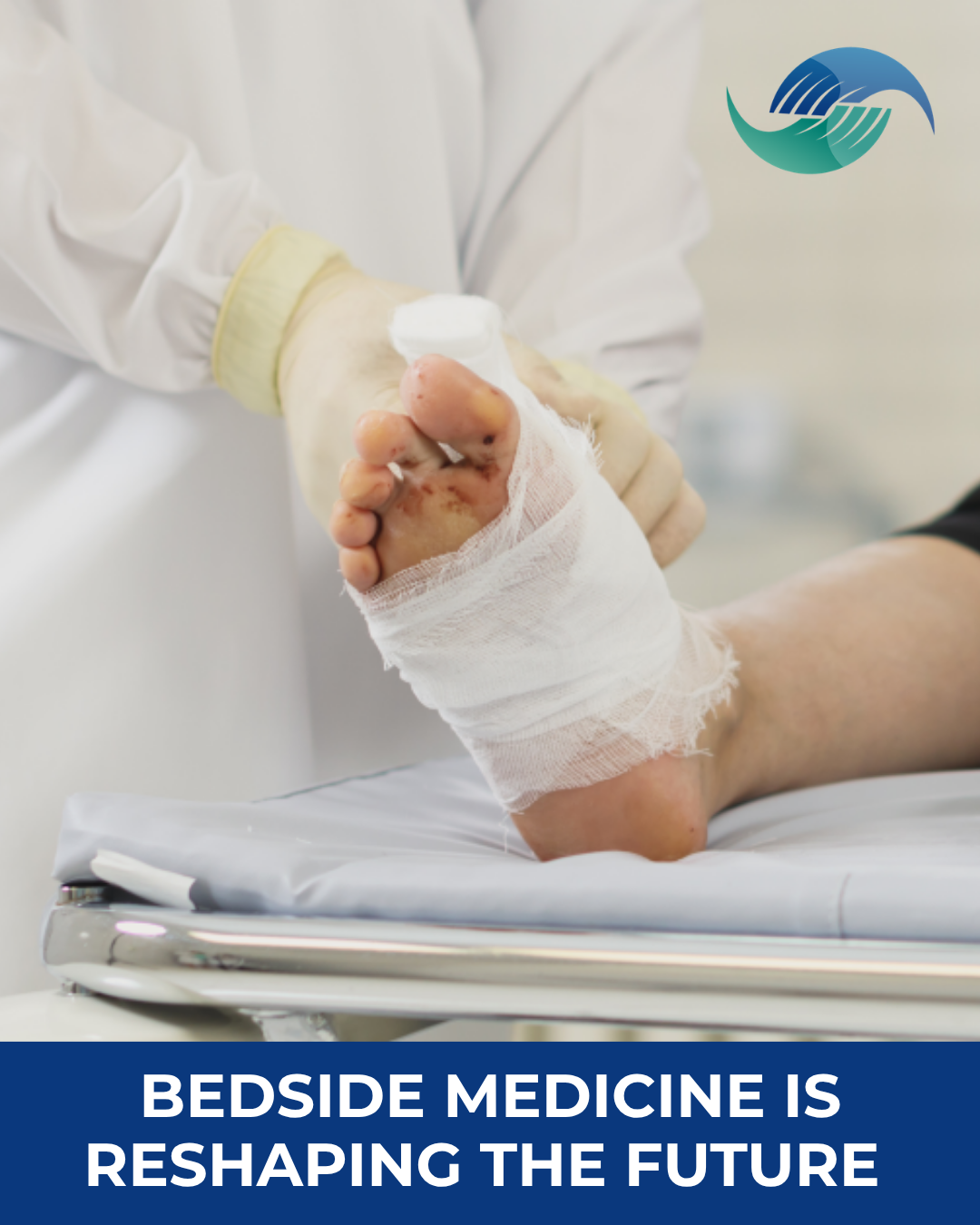
Procedures Without Borders: How Bedside Debridement Is Advancing Inpatient Wound Care
Read time - 5 minutes
Bedside debridement speeds wound healing across hospitals, LTACHs, rehab, and SNFs by removing OR delays, cutting infection risk and avoidable transfers.
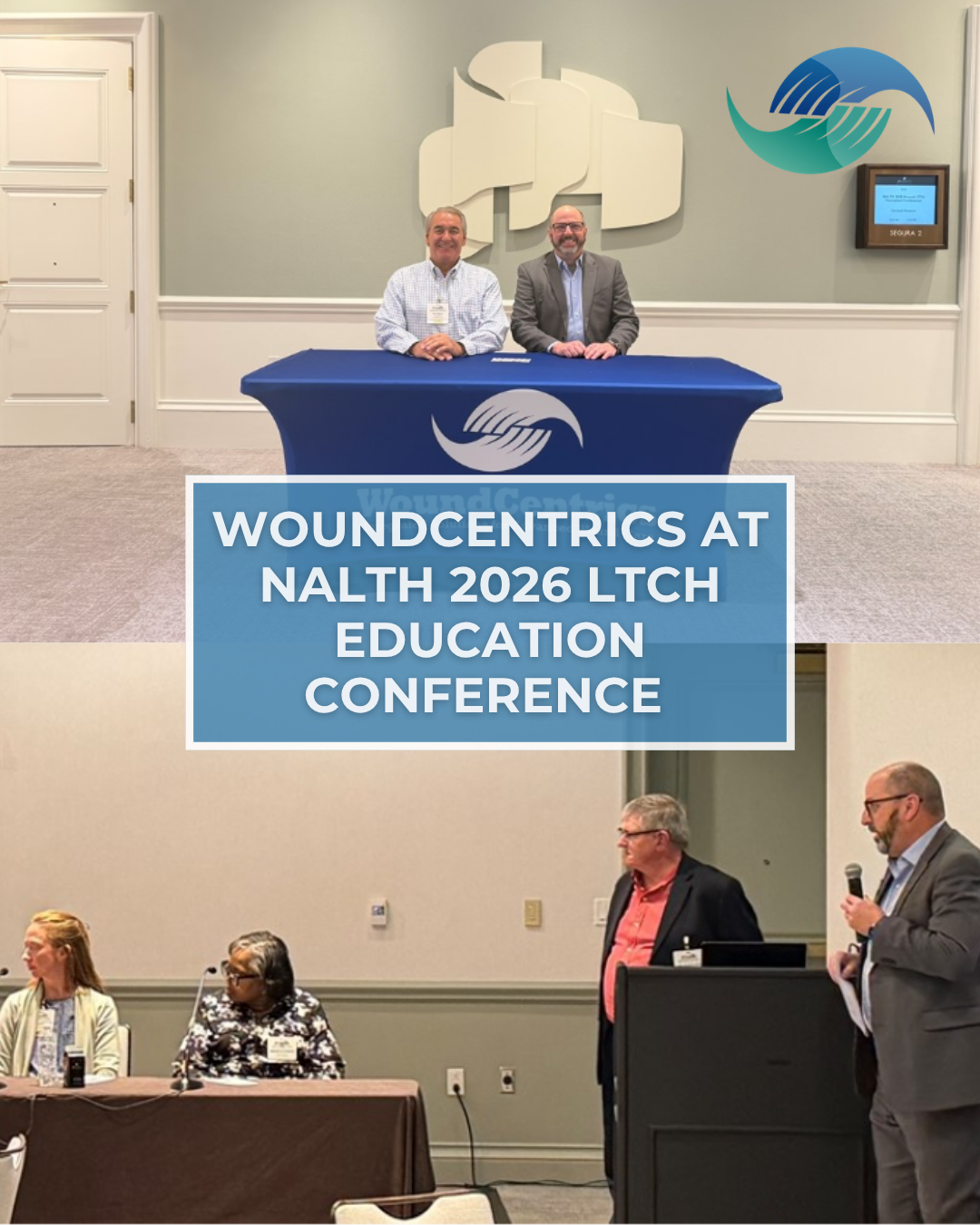
WoundCentrics to Participate in NALTH 2026 LTCH Education Conference
Read time - 2 minutes
WoundCentrics will join the 2026 NALTH Annual LTCH Education Conference, with COO Stuart Oertli co-moderating the new Wound Care Leaders Forum.
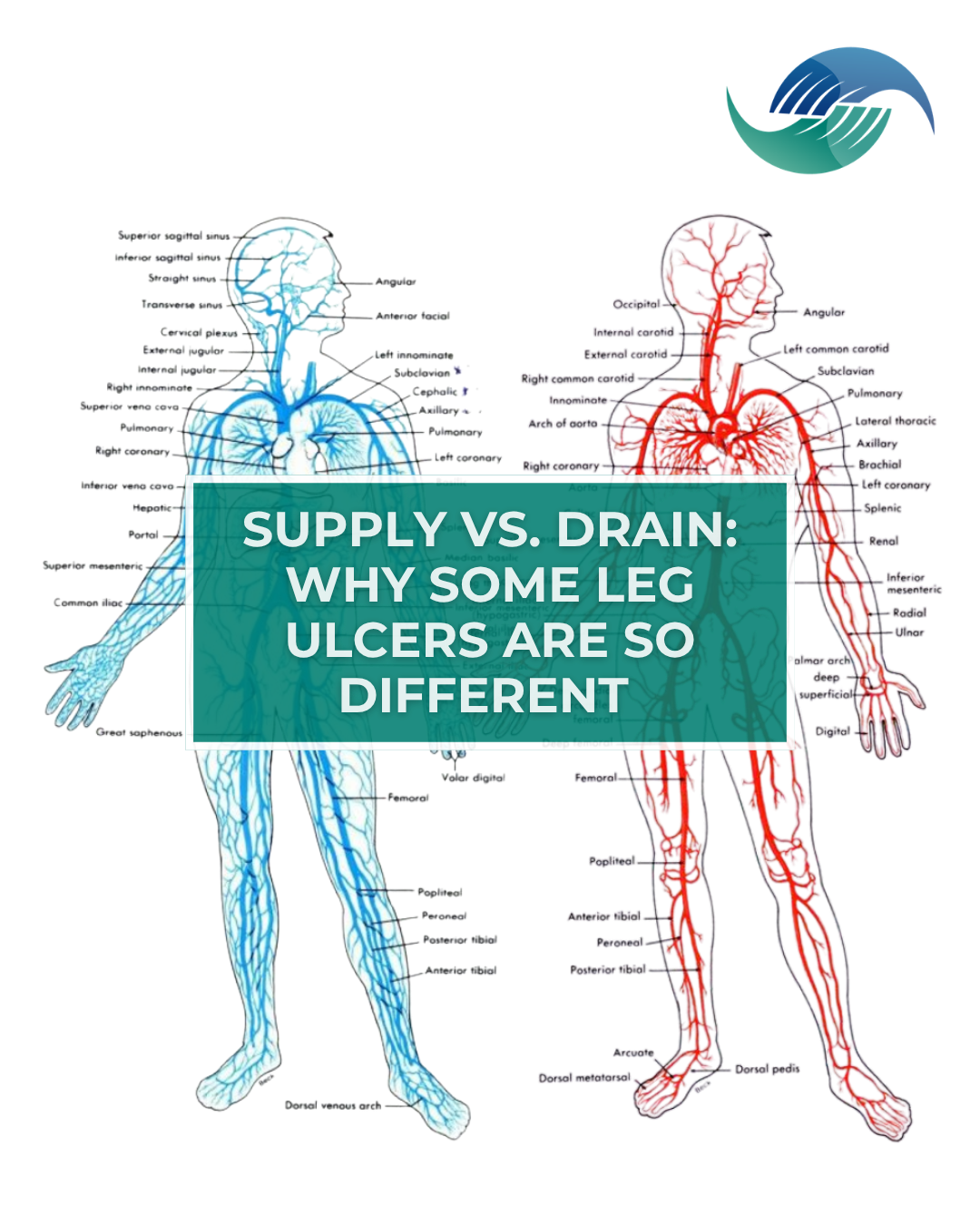
Supply vs. Drain: Why Some Leg Ulcers Are So Different
Read time - 5 minutes
Arterial ulcers come from poor blood supply; venous ulcers from poor blood drainage. Learn the signs of each leg ulcer type and why treatment differs.
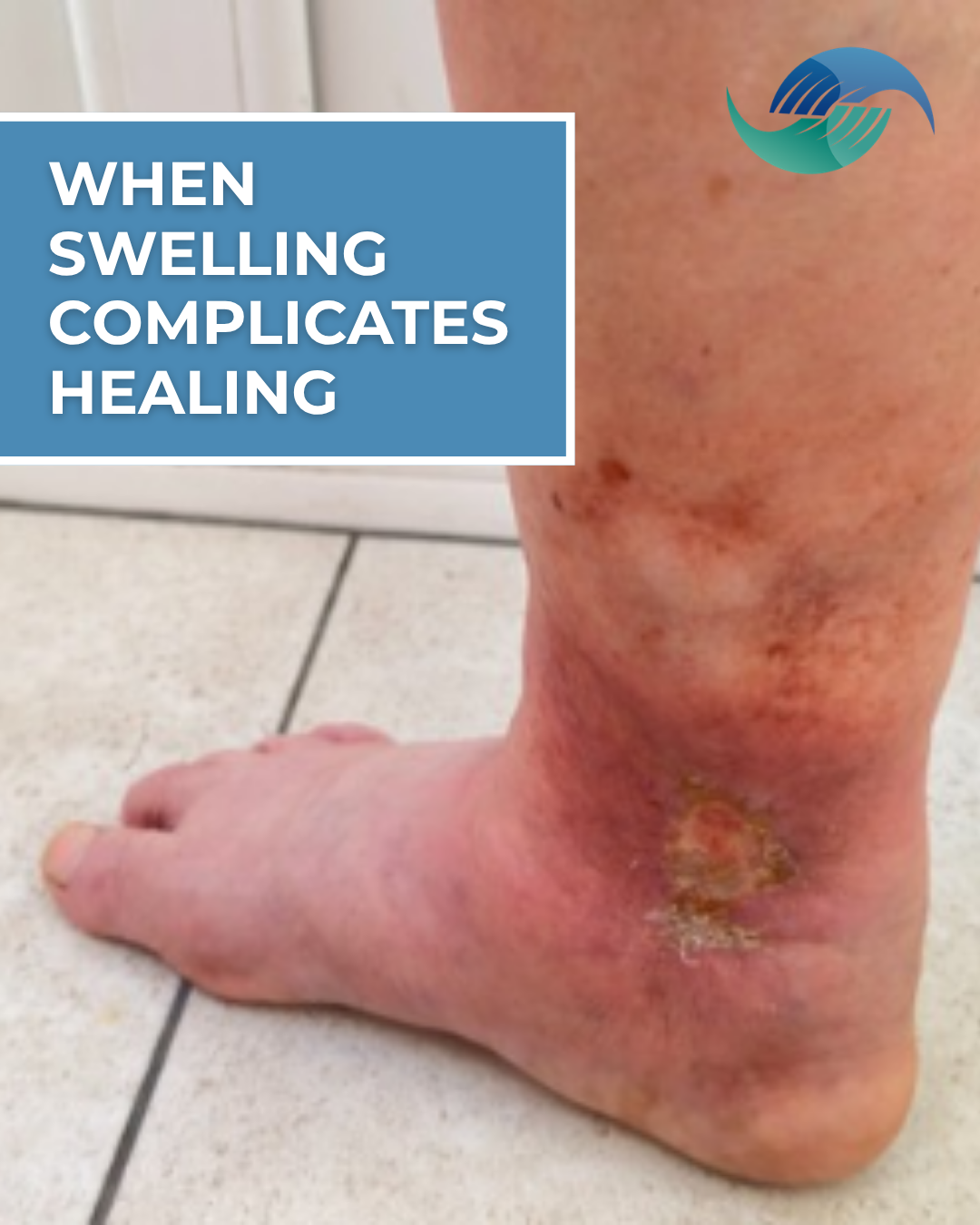
When Swelling Complicates Healing: Wound Care for Patients with Lymphedema
Read time - 5 minutes
Lymphedema raises infection risk and delays healing by limiting oxygen delivery to tissue. See the evidence on compression therapy and multidisciplinary care.
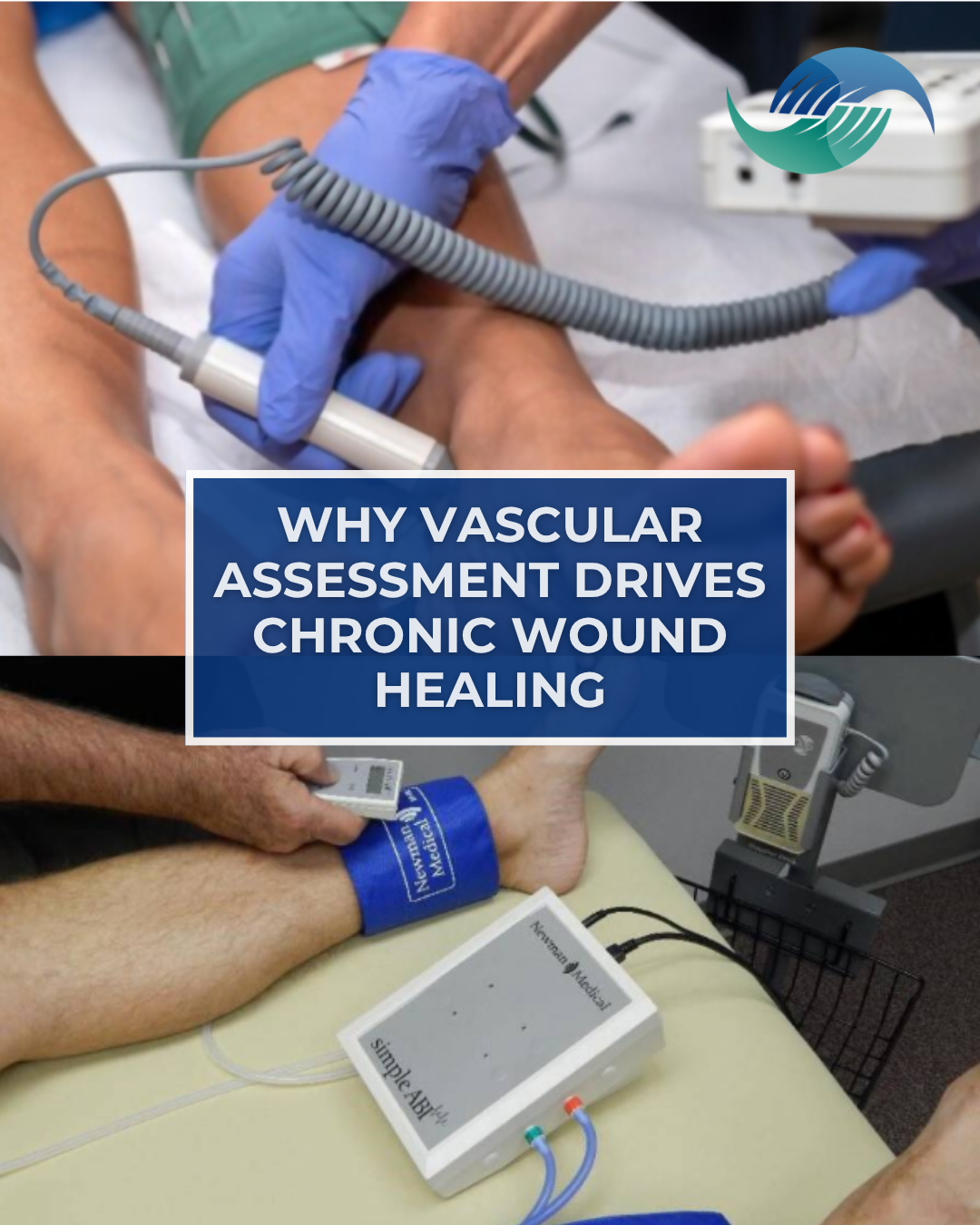
The Test Too Often Missed: Why Vascular Assessment Drives Chronic Wound Healing
Read time - 6 minutes
Up to 50% of diabetic foot ulcer patients have undiagnosed PAD at first evaluation. See why vascular assessment is essential to chronic wound healing.
You Deserve Transparency: Why Every Wound Program Needs a Compliance Evaluation
Read time - 6 minutes
Most compliance issues aren't intentional—they happen when processes drift. Learn why an independent wound care compliance evaluation protects revenue, reputation, and long-term program health.
Forecasting: The Foundation of a Sustainable Wound Care Program
Read time - 3 minutes
Healthcare systems don't need overly optimistic projections. They need confidence.
When hospitals evaluate a new wound care or hyperbaric medicine program, financial models often become the centerpiece of the discussion. But the best pro formas aren't built to impress, they are built to illustrate reasonable expectations.
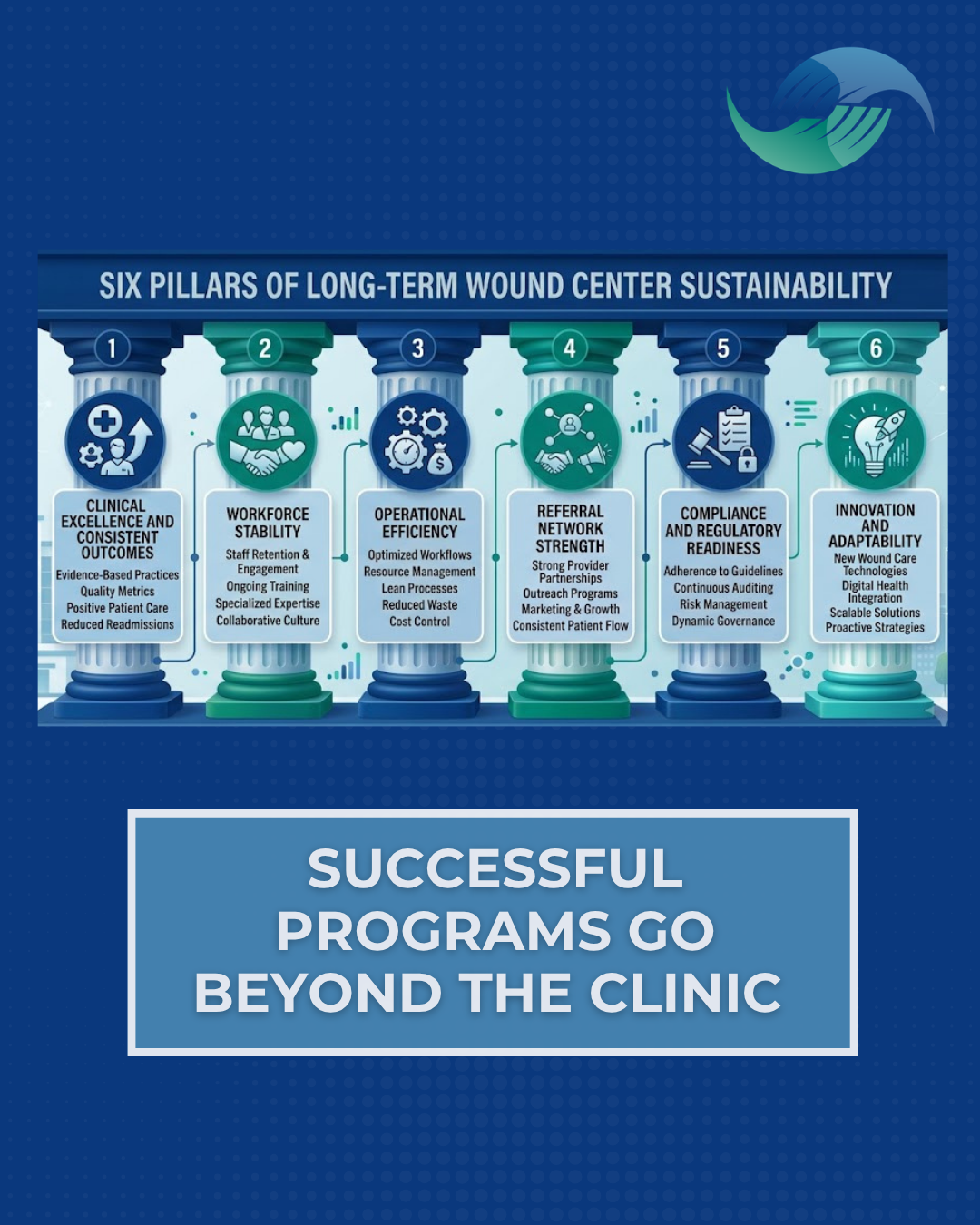
Successful Programs Go Beyond the Clinic
Read time - 5 minutes
Sustainability is measured in years, not quarters. Explore six pillars—clinical excellence, workforce, operations, compliance, technology, and growth—that build lasting wound care programs.
High Volume, Low Revenue: Why Busy Wound Centers Struggle Financially
Read time - 4 minutes
Full schedules don't guarantee profitability. Learn why busy wound centers lose revenue to denials, documentation gaps, and operational inefficiencies—and how to fix it.
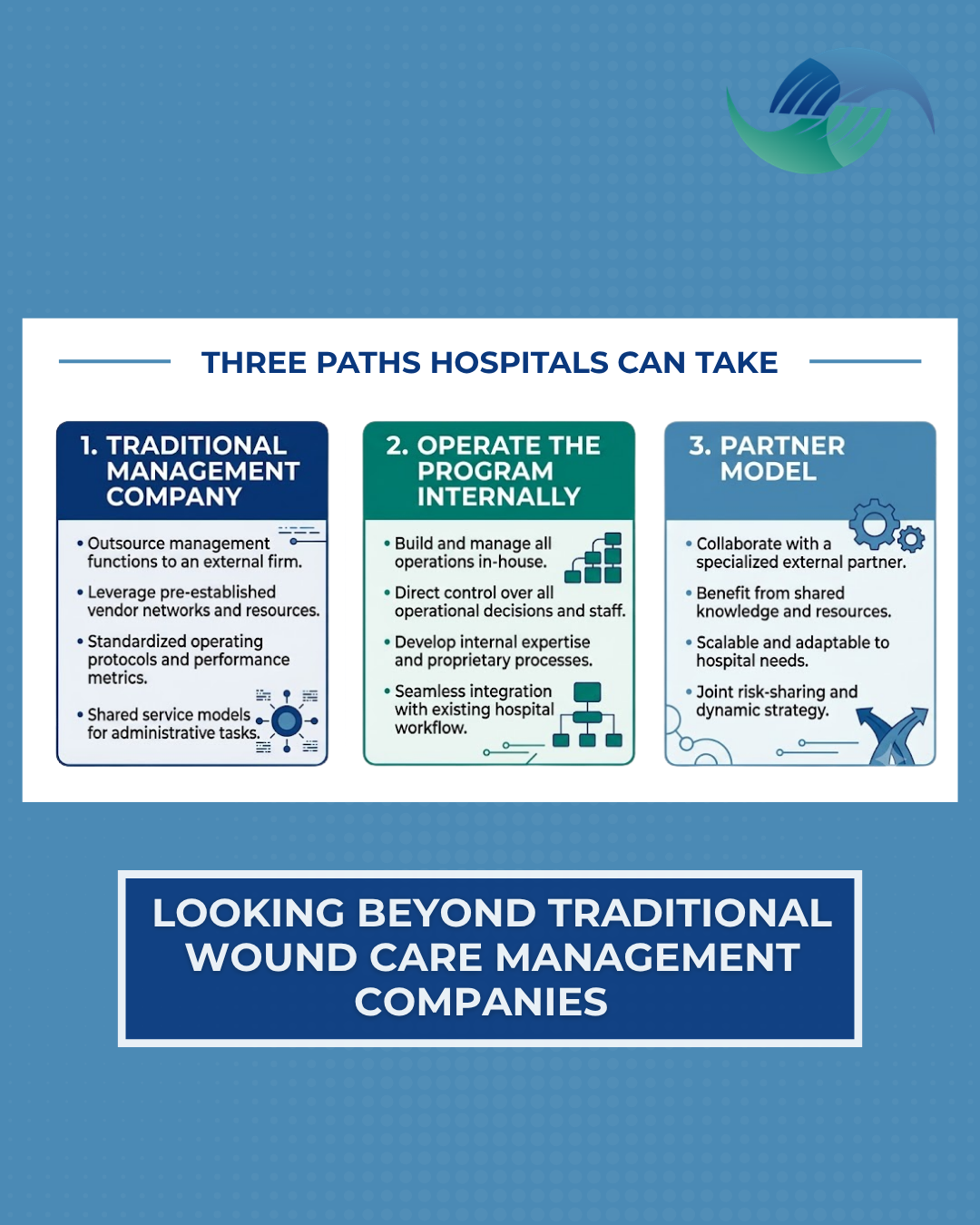
A Different Model: Looking Beyond Traditional Wound Care Management Companies
Read time - 3 minutes
Hospitals are rethinking traditional wound care management companies. Discover how a strategic partner model preserves control while improving outcomes, compliance, and financial performance.
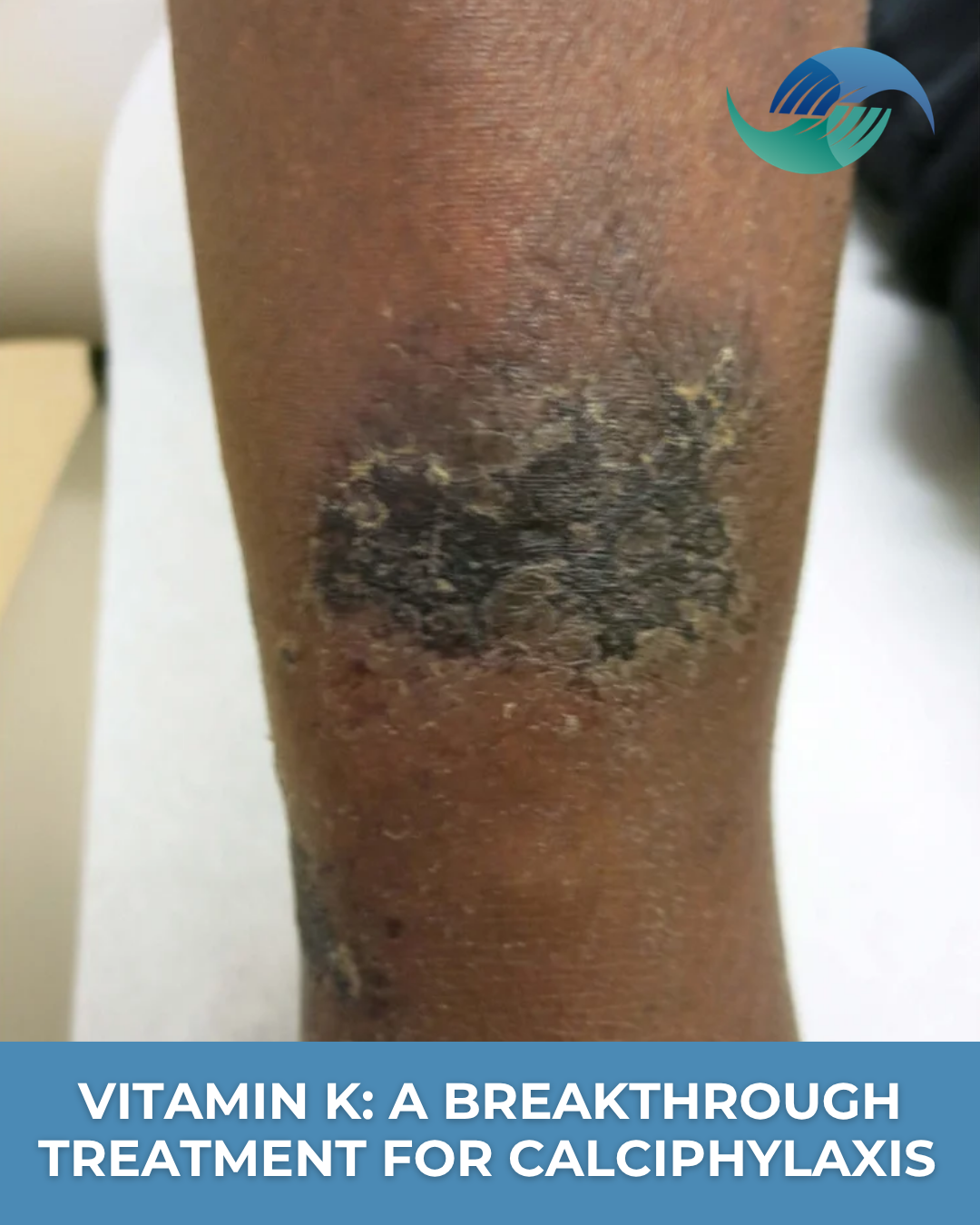
Vitamin K: A Breakthrough Treatment for Calciphylaxis
Read time - 2 minutes
Vitamin K activates matrix Gla protein to treat calciphylaxis, cutting mortality from 31% to 0% in a Mass General trial. See the dosing protocol.
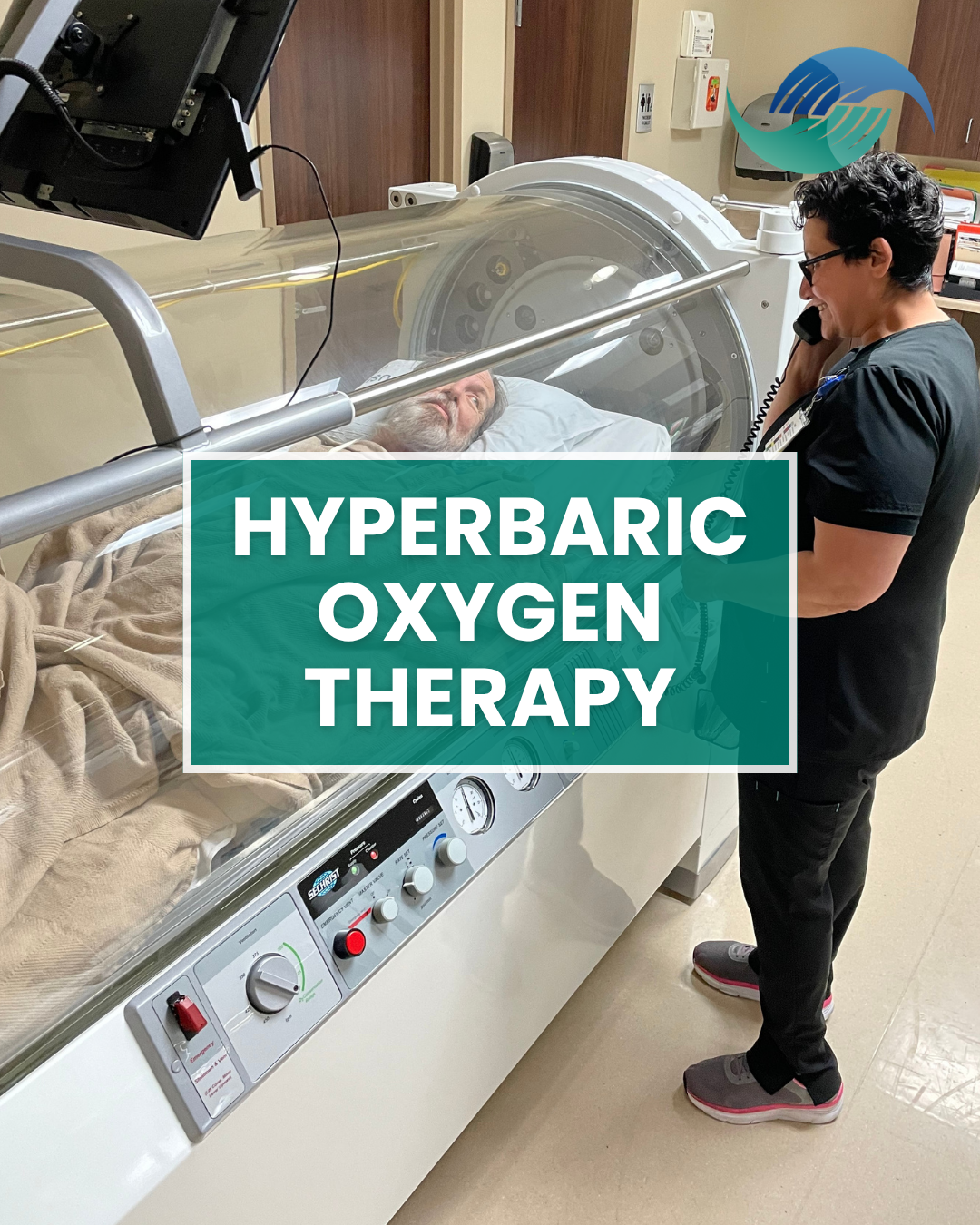
Hyperbarics: The Most Misunderstood Tool in Modern Medicine
Read time - 2 minutes
Hyperbaric oxygen therapy (HBOT) is FDA-cleared to treat more than a dozen medical conditions, including diabetic foot ulcers that fail standard care, compromised skin grafts, and radiation injury — yet it remains chronically underused.
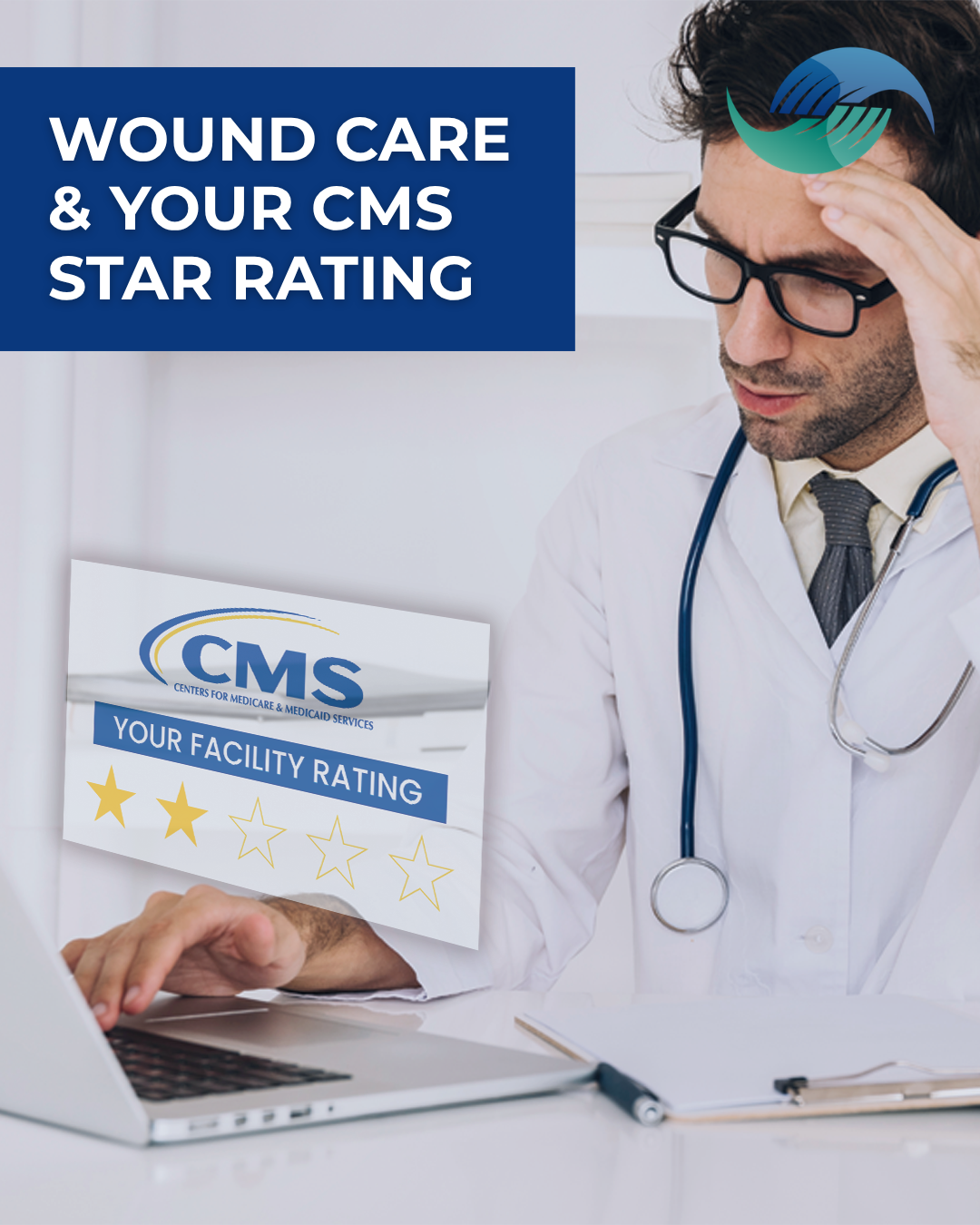
Wounds That Hurt More Than Patients: How Poor Wound Care Drags Down Your CMS Star Rating
Read time - 2 minutes
Poor wound care lowers your CMS Star Rating through readmissions, survey deficiencies, and quality measures. See the data and fix it fast.

Culture Isn’t a Side Conversation (Podcast Episode)
Read time - 3 minutes
WoundCentrics COO Stuart Oertli joins the Talent Elevated podcast to explain how fast growth exposed culture gaps — and how the team rebuilt.
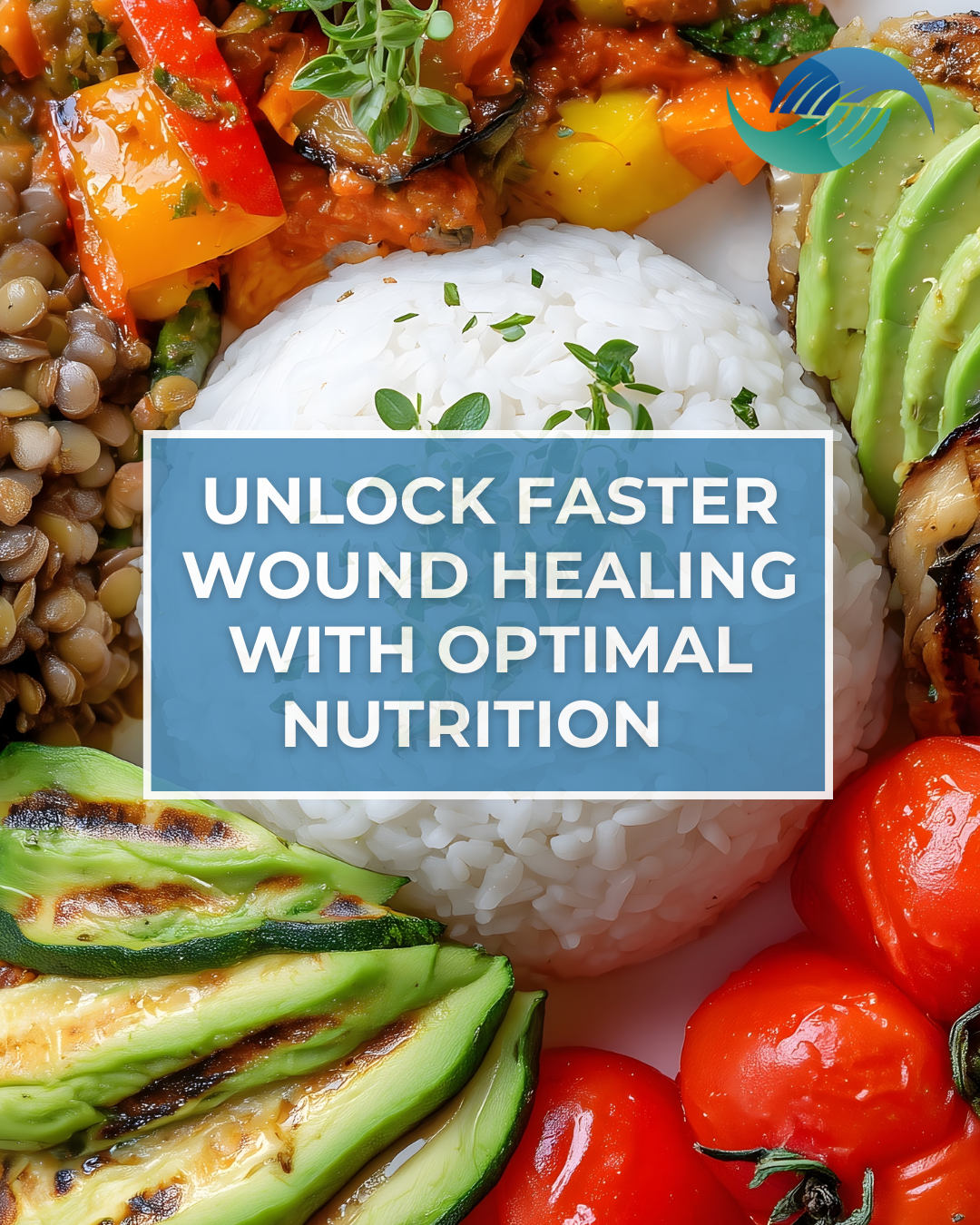
Protein Power: Unlocking Faster Wound Healing Through Optimal Nutrition
Read time - 4 minutes
Wound healing requires 1.25-1.5g protein/kg daily, more for severe wounds. Learn why protein speeds recovery and which foods deliver it.
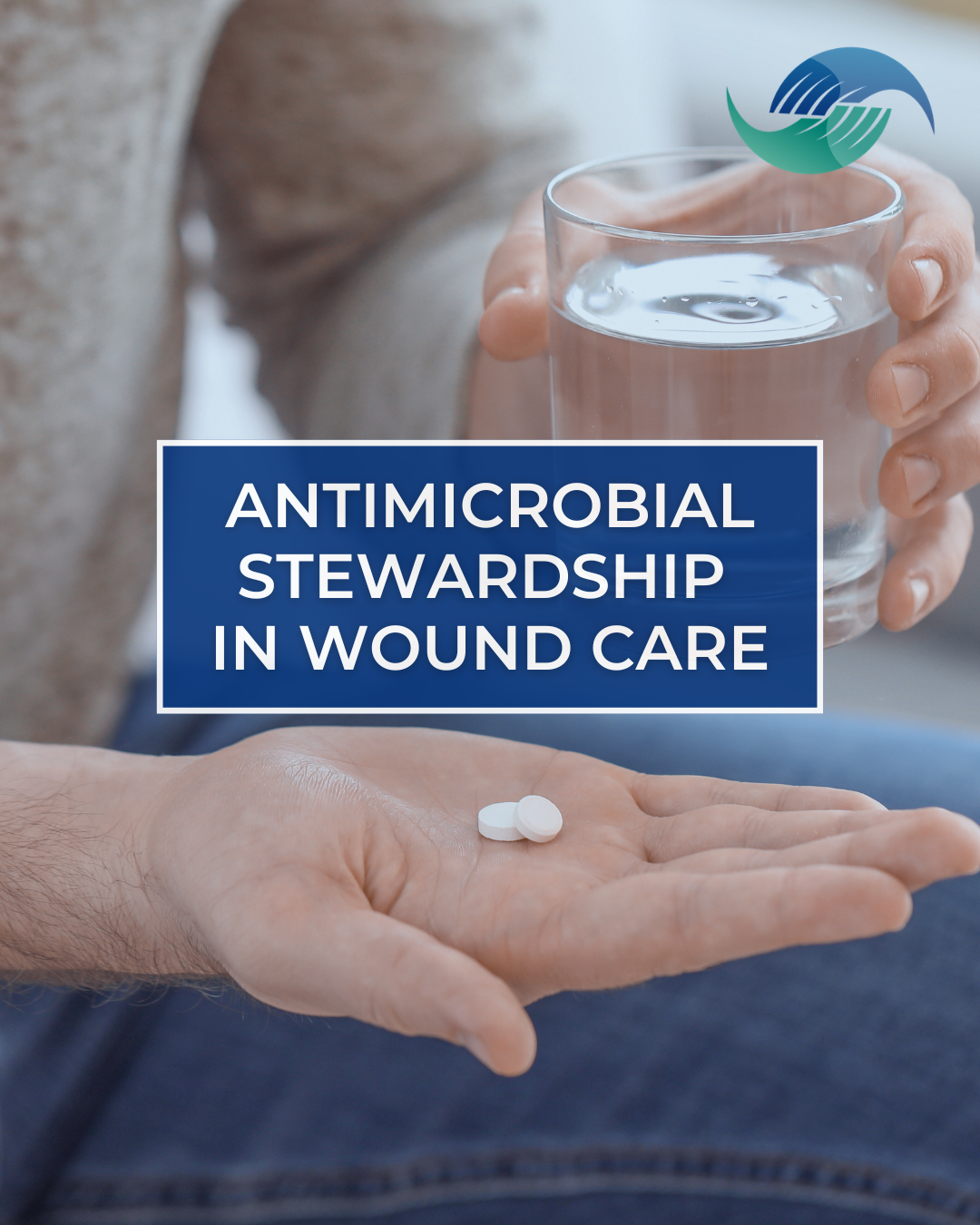
Antimicrobial Stewardship in Wound Care: Using Antibiotics Judiciously
Read time - 3 minutes
Antibiotics are powerful, but they call for restraint. Prescribe one without a clear reason and the costs add up. It feeds antimicrobial resistance. It clouds the diagnostic picture. It makes the next infection harder to treat.
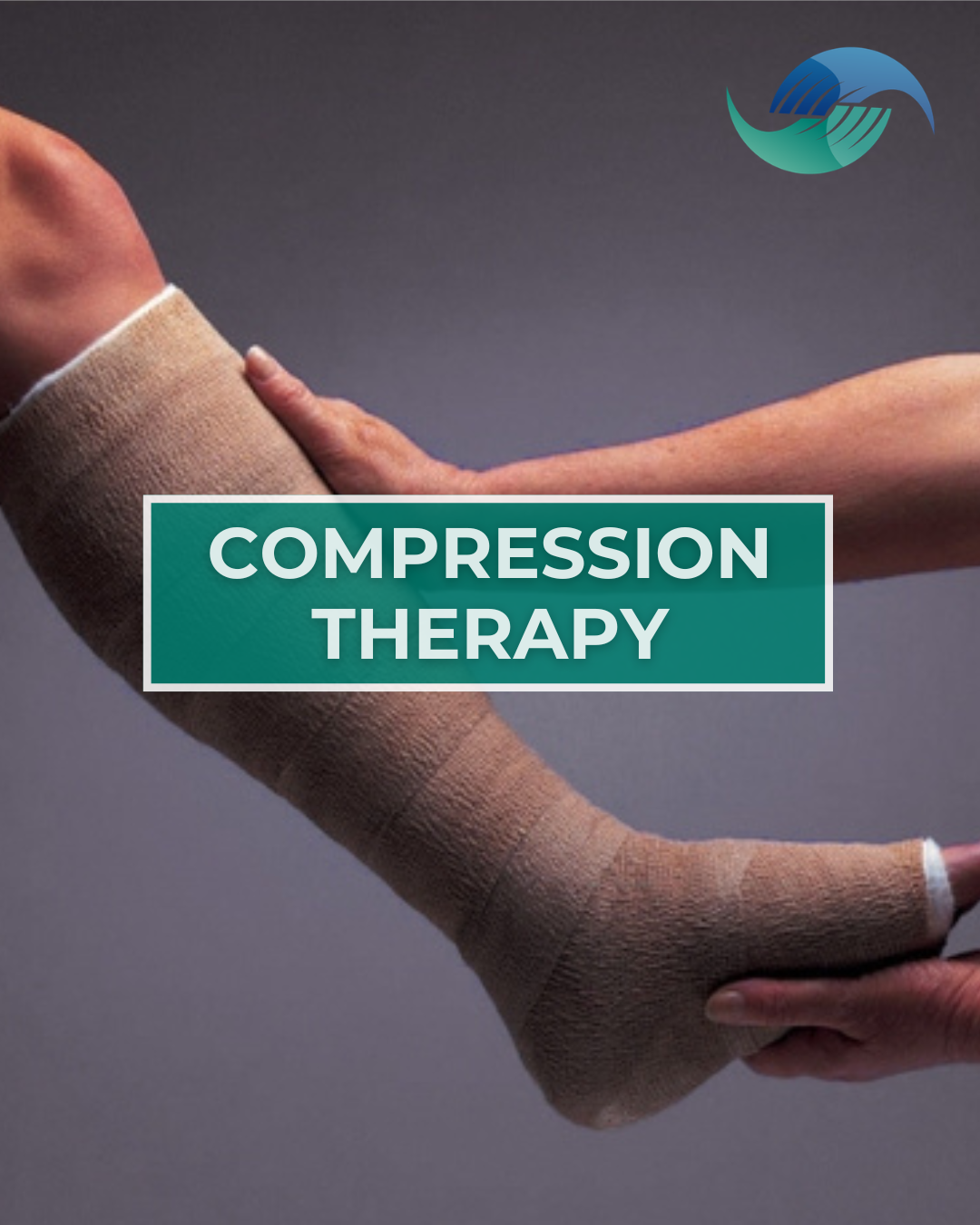
How Compression Therapy Helps Wounds Heal
Read time - 4 minutes
Compression therapy improves venous leg ulcer healing by boosting circulation and reducing swelling. Learn how it works and who needs it.