
Wound Care Audit Readiness: A Proactive Compliance Process
Wound care audit readiness means having organized processes, clear responsibilities, and consistent records before a payer or regulatory request arrives. The strongest programs make readiness part of daily operations—not a last-minute response.
Audit notices can create pressure quickly. Records may need to be gathered within a limited timeframe, multiple departments may be involved, and leaders may need to coordinate a thoughtful response.
But audit readiness does not begin when a request arrives. It is built over time through routine review, practical education, clear communication, and dependable operational processes.
“Audit readiness is not a project that begins when a request arrives. It is the result of everyday discipline: clear responsibilities, current processes, meaningful education, and a willingness to learn from what the data tells us.”
— Brandye West, MBA, Chief Administrative & Compliance Officer, WoundCentrics
What is wound care audit readiness?
Wound care audit readiness is an organization’s ability to respond to a payer, regulatory, or internal review in an organized and coordinated manner.
It is more than documentation. Readiness also includes knowing who owns the response, where records are located, how materials are reviewed, and how communication is managed across operations, clinical teams, revenue cycle, leadership, and other appropriate stakeholders.
The goal is not to predict every possible question. The goal is to establish a dependable process for locating information, confirming expectations, and responding with confidence.
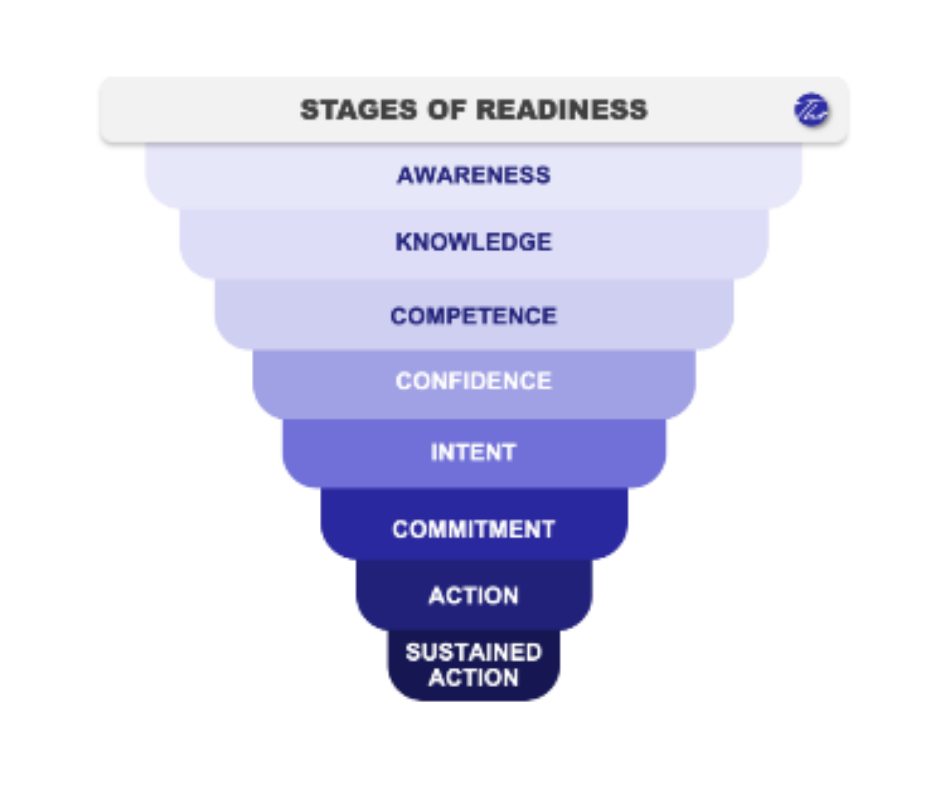
Four foundations of audit readiness
1. Clear ownership
When an audit or information request arrives, team members should know who receives it, who tracks deadlines, who gathers materials, and who coordinates the response.
Defined roles reduce duplicate work, missed deadlines, and unnecessary confusion. A simple, clearly documented response process is often more valuable than a complicated process that no one follows.
2. Routine internal review
Internal reviews help leaders identify potential concerns before an outside organization raises them.
These reviews may look at documentation patterns or trends, workflow consistency, policy alignment, staff education needs, charge capture, or other operational indicators. The purpose is not to assign blame. It is to understand how the program is functioning and where the process can be strengthened.
3. Practical staff education
Education supports readiness when it is relevant to the work people perform every day.
Rather than relying only on annual training, leaders can provide short, focused refreshers when policies change, workflows are updated, or internal audits identify a recurring concern. Employees should understand what is expected, why it matters, and where to go with questions.
4. Follow-through on findings
Finding a gap is only the first step. Organizations should review the underlying cause, determine a practical corrective action, communicate the change, and monitor whether the solution is working.
A recurring issue may point to an unclear process, outdated policy, training need, technology barrier, or workflow that no longer reflects daily operations. Addressing the root cause supports more sustainable improvement.
Make readiness part of the routine
Audit readiness should not be driven by fear. It should be part of a healthy operational culture built on accountability, communication, and continuous improvement.
A practical readiness plan may include:
A defined process for receiving and responding to requests
Clear ownership across operations, leadership, clinical, and revenue-cycle functions
Routine internal reviews of key workflows and records
Current, accessible policies and procedures
Ongoing staff education and refresher training
Documented corrective actions and leadership follow-up
When these practices are part of normal operations, teams are better prepared to respond to scrutiny without losing focus on the program’s broader mission.
The WCX perspective
At WoundCentrics, we believe strong wound care operations are built through consistency, communication, and collaboration. A proactive approach to compliance and audit readiness helps programs reduce avoidable disruption, strengthen workflows, and respond to questions with greater confidence.
The goal is not to wait for an audit notice to prepare. The goal is to build systems that make readiness routine.
Frequently asked questions
What does audit readiness mean in wound care?
Audit readiness means a wound care program has an organized process for maintaining records, responding to requests, assigning responsibility, reviewing workflows, and addressing identified concerns.
Is audit readiness only about documentation?
No. Documentation is important, but audit readiness also includes defined roles, current policies, staff education, communication pathways, billing workflow alignment, and leadership oversight.
How can internal reviews improve wound care operations?
Internal reviews help leaders identify recurring concerns involving documentation, workflows, policies, education, or charge capture. The findings can then guide practical improvements before issues become larger operational challenges.
What should a program do after identifying a compliance gap?
The program should define the concern, identify the likely root cause, assign ownership for corrective action, communicate any process updates, and monitor whether the change improved the outcome.
Call to action
A proactive approach to audit readiness begins long before a request arrives. Stronger workflows, clear responsibilities, and regular review can help wound care programs operate with greater consistency and confidence.
Connect with WoundCentrics to discuss how our team supports wound care programs built for sustainable operations, accountability, and long-term readiness.
Disclaimer: This article is intended for general informational purposes only and does not constitute legal, regulatory, reimbursement, coding, clinical, or compliance advice. Organizations should consult qualified legal, compliance, coding, and clinical professionals regardingtheir specific circumstances.