
When Swelling Complicates Healing: Wound Care for Patients with Lymphedema
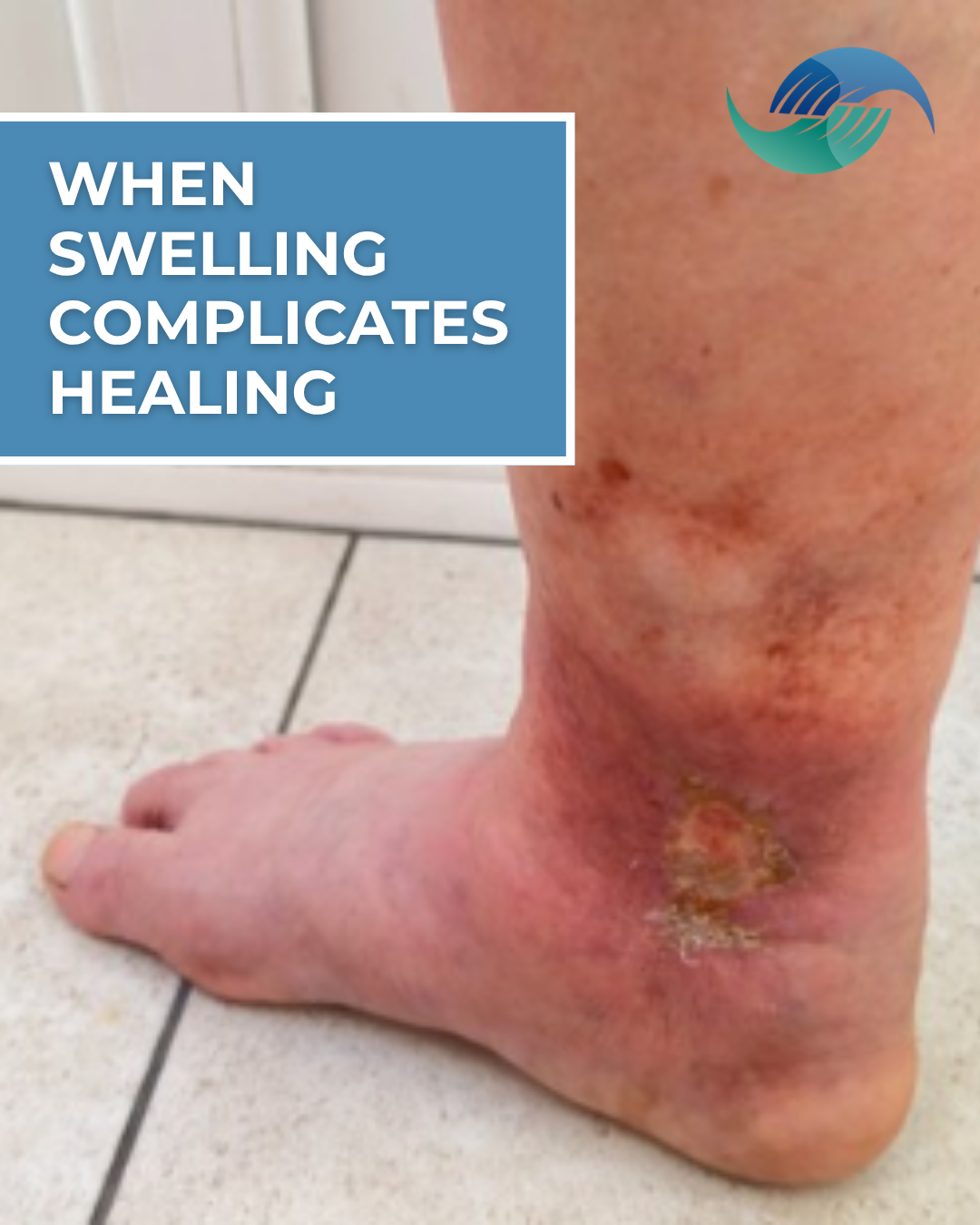
Lymphedema slows wound healing because chronic swelling increases the distance between capillaries and skin cells, limiting oxygen delivery and weakening local immune defenses (World Health Organization / Lymphatic Education & Research Network). This combination lets minor skin injuries progress into chronic, non-healing wounds and raises the risk of cellulitis. Compression therapy is the cornerstone intervention: in a randomized controlled trial, it cut recurrent cellulitis episodes from 40% to 15% over six months (Webb et al., New England Journal of Medicine, 2020, via PubMed). Getting ahead of both the swelling and the wound requires coordinated, multidisciplinary care — not treatment of the wound in isolation.
How Does Lymphedema Interfere with Wound Healing?
Lymphedema is caused by impaired lymphatic drainage, which allows protein-rich fluid to accumulate in the skin and soft tissue (StatPearls, NCBI Bookshelf). That excess fluid stretches the skin and integument and increases the distance between capillaries and surrounding tissue, which limits how efficiently oxygen and nutrients reach cells and shifts local metabolism toward less efficient anaerobic pathways (WHO/LE&RN Wound and Lymphoedema Management).
Chronic lymphatic stasis also triggers ongoing inflammation, drawing in immune cells that release profibrotic signals and progressively stiffen and scar the tissue (StatPearls). Lymphatic endothelial dysfunction disrupts normal immune cell trafficking and antigen presentation, weakening the skin's local immune response. The result: even minor skin injuries that would normally close within days can stall into chronic, non-healing wounds. Patients frequently report heaviness, tightness, and restricted movement, which further limits circulation and delays tissue repair.
Why Are Lymphedema Patients at Higher Risk of Infection?
Impaired lymphatic function directly increases susceptibility to bacterial and fungal skin infections, including cellulitis and erysipelas (StatPearls). Skin barrier defects associated with chronic lymphedema — including impaired epidermal differentiation and tight junction dysfunction — further exacerbate infection risk.
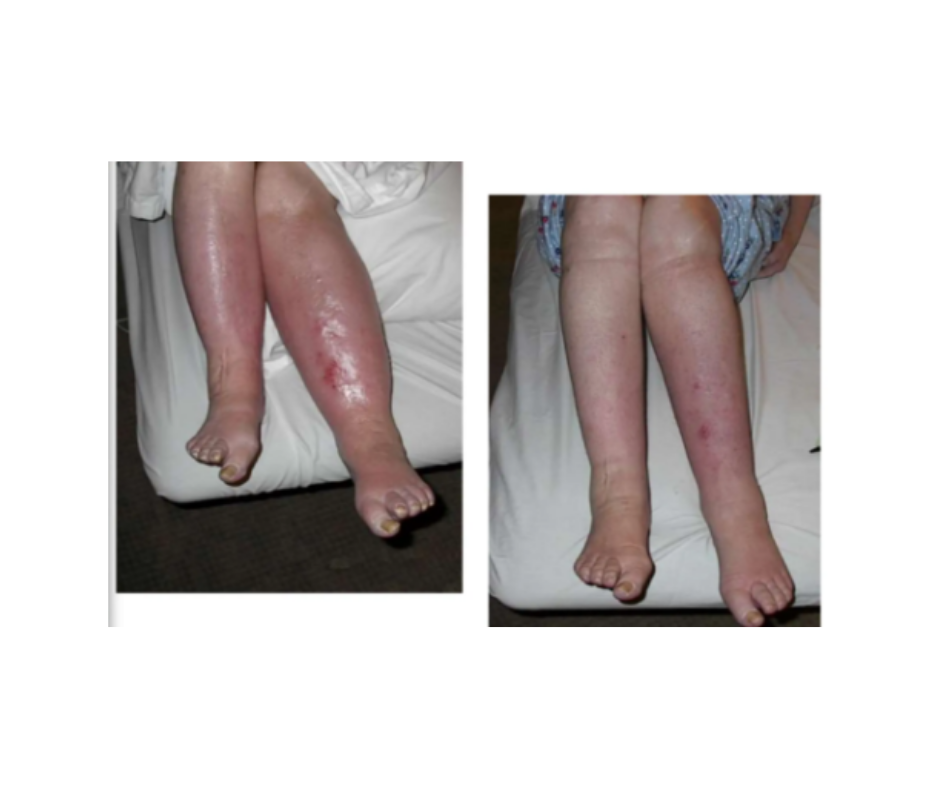
This isn't a minor concern. Chronic leg edema is recognized as one of the strongest risk factors for recurrent cellulitis, and recurrent infections can further damage lymphatic vessels, worsening the underlying condition in a self-reinforcing cycle. Clinicians must monitor closely for redness, warmth, increased drainage, or pain, and intervene promptly — delayed recognition allows a localized infection to escalate into a hospitalization-level event.
What Does the Evidence Say About Compression Therapy?
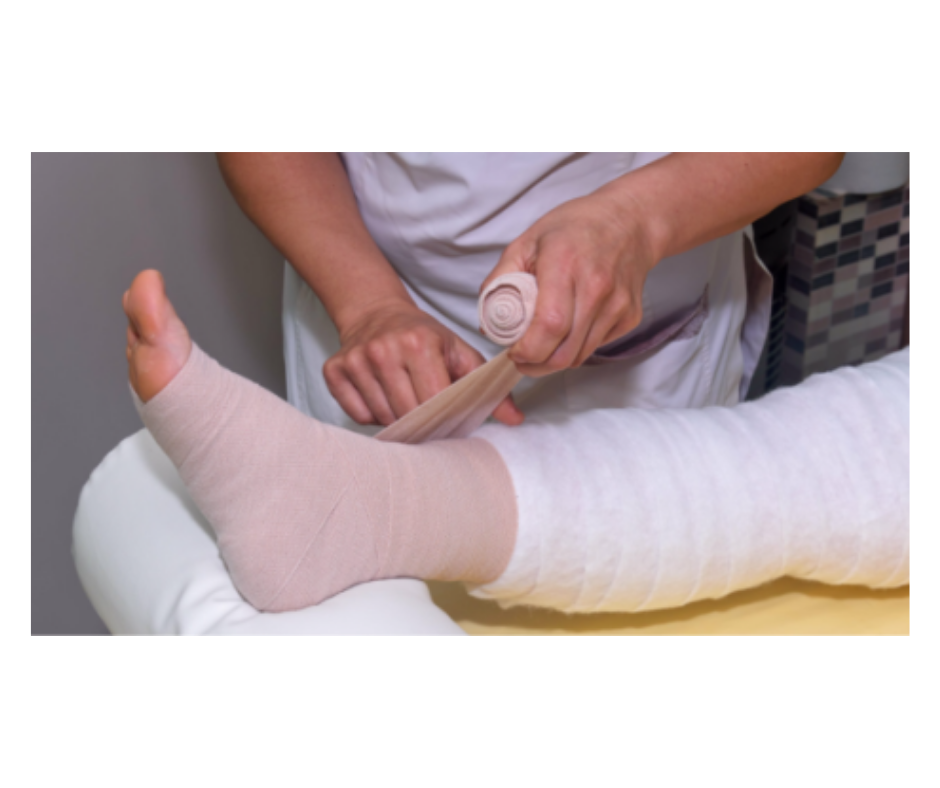
Compression therapy is considered the single most important intervention in managing chronic edema and lymphedema, and it directly supports wound healing by reducing the constant pressure that swelling places on the wound bed and surrounding tissue (Wounds International, Best Practice for the Management of Lymphoedema). The clinical data behind compression is substantial:
In a randomized controlled trial of patients with chronic leg edema and a history of cellulitis, compression therapy plus education reduced cellulitis recurrence to 15%, compared with 40% for education alone — a relative risk reduction of roughly 77% — and the trial was stopped early because the benefit was so pronounced (Webb et al., NEJM 2020, via PubMed).
Fewer patients in the compression group required hospitalization for cellulitis compared with the control group in the same trial (PubMed).
A Cochrane systematic review found that compression hosiery significantly reduced venous ulcer recurrence compared with no compression at six months (risk ratio 0.46), meaning far fewer patients experienced a repeat wound when compression was used consistently (Cochrane Database of Systematic Reviews).
Compression bandaging, wraps, or garments must be selected based on the patient's vascular status, wound status, tolerance, and mobility, with regular reassessment to maintain both safety and effectiveness. Vascular status must always be confirmed before initiating compression, since arterial insufficiency can make standard compression unsafe.
How Should Clinicians Approach Skin Protection and Infection Prevention?
Lymphedema weakens skin integrity over time, making it fibrotic, fragile, and prone to fissures as chronic inflammation drives fibroblast activation and extracellular matrix buildup (StatPearls). Reducing skin breakdown requires:
Gentle cleansing techniques that avoid trauma to fragile tissue
Consistent moisturization to preserve the skin barrier
Careful dressing selection that manages moisture effectively while minimizing trauma during removal
Prompt attention to any cuts, insect bites, or burns before they become entry points for infection
Because impaired lymphatic function increases susceptibility to both bacterial and fungal infection, clinicians should treat infection surveillance as an ongoing part of every wound check — not a one-time assessment.
→ WoundCentrics' approach to complex, comorbidity-driven wound cases ←
Why Does Multidisciplinary Care Improve Outcomes?
Lymphedema-related wounds sit at the intersection of vascular disease, lymphatic dysfunction, and integumentary breakdown — which means no single discipline can manage them effectively alone. A coordinated care model typically involves wound care specialists, certified lymphedema therapists, vascular providers, and primary care teams, each addressing a different piece of the clinical picture (StatPearls).
Regular interprofessional communication, shared care plans, and standardized handoffs help teams catch infections and worsening edema early rather than after a setback has already occurred. This kind of coordination is associated with better long-term function, fewer complications, and improved adherence to compression and self-care routines (StatPearls). It also matters at scale: lymphedema and related lymphatic diseases are estimated to affect as many as 10 million Americans, more than multiple sclerosis, muscular dystrophy, ALS, Parkinson's disease, and AIDS combined (Lymphatic Education & Research Network) — meaning most wound care programs will encounter this population regularly, not occasionally.
Why Does Patient Education Matter for Long-Term Outcomes?
Patients who understand how to manage swelling, apply compression correctly, protect their skin, and recognize early signs of infection take an active role in preventing their own setbacks. Guidance on footwear, mobility, and daily activity modifications further reduces recurrence risk. Because chronic edema and lymphedema recur rapidly once compression is discontinued, adherence to a maintenance routine — not just successful wound closure — is what determines whether a patient stays wound-free (Lymphoedema Framework compression bandaging guidance, via lympho.org).
Frequently Asked Questions
Q: Why does lymphedema make wounds harder to heal?
A: Lymphedema causes fluid to accumulate in the skin and soft tissue, which increases the distance between capillaries and cells, limits oxygen delivery, and weakens the skin's local immune response — all of which slow the normal wound-healing process (WHO/LE&RN; StatPearls).
Q: Are patients with lymphedema more likely to get cellulitis?
A: Yes. Impaired lymphatic drainage weakens local immune defenses and skin barrier function, making cellulitis and other skin infections significantly more common in patients with chronic lymphedema (StatPearls).
Q: Does compression therapy actually reduce infection and recurrence?
A: Yes. A randomized controlled trial found that compression therapy plus education reduced cellulitis recurrence to 15%, compared with 40% for education alone, and the study was stopped early due to the size of the benefit (Webb et al., NEJM 2020). Separate Cochrane review evidence also shows compression significantly reduces venous ulcer recurrence (Cochrane).
Q: Is compression therapy safe for every patient with a wound and lymphedema?
A: Not automatically — vascular status must be assessed first, since compression can be unsafe in patients with significant arterial insufficiency; when vascular status allows, compression should be individualized to the patient's wound status, tolerance, and mobility, with regular reassessment.
Q: How common is lymphedema?
A: Estimates suggest as many as 10 million Americans live with lymphedema or a related lymphatic disease, making it more prevalent than multiple sclerosis, muscular dystrophy, ALS, and Parkinson's disease combined (Lymphatic Education & Research Network).
Q: Who should be involved in caring for a patient with a lymphedema-related wound?
A: Effective care typically involves wound care specialists, certified lymphedema therapists, vascular providers, and primary care teams working from a coordinated plan, since no single discipline addresses every aspect of lymphedema-related wound complexity on its own (StatPearls).
Patients with lymphedema-related wounds don't heal on a standard timeline, and treating the wound without addressing the underlying swelling sets up recurrence. WoundCentrics builds comprehensive, patient-centered protocols that combine advanced wound care, edema management, and coordinated multidisciplinary follow-up — contact WoundCentrics to discuss a program consult for your patients or facility. At WoundCentrics, we treat the Whole Patient, not just the hole in the patient.
Sources