
You Deserve Transparency: Why Every Wound Program Needs a Compliance Evaluation
Healthcare organizations today face increasing scrutiny from regulators, payors, and accrediting bodies. As reimbursement models become more complex and documentation requirements continue to evolve, wound care programs find themselves operating in an environment where even small compliance gaps can create significant financial and operational consequences.
The reality is simple: most compliance issues are not the result of intentional misconduct. They occur when processes drift, documentation becomes inconsistent, workflows evolve without oversight, or organizations simply lose visibility into the day-to-day realities of program operations.
That is why transparency matters.
A comprehensive compliance evaluation provides healthcare leaders with an objective view of their wound care program's strengths, vulnerabilities, and opportunities for improvement before issues become costly problems.
The Cost of Getting It Wrong
Organizations that fail to maintain rigorous compliance standards face more than repayment obligations. They risk increased audit activity, revenue disruption, reputational damage, and unnecessary operational strain.
Federal oversight has intensified significantly in recent years. The Office of Inspector General (OIG) continuously updates its Work Plan to identify healthcare services and billing practices subject to review, audit, and investigation. Monitoring these priorities can help organizations proactively identify areas of risk before they attract regulatory attention. OIG Work Plan)
Many facilities lack the internal resources necessary to continuously evaluate compliance vulnerabilities, documentation quality, operational performance, and revenue-cycle integrity. As a result, healthcare organizations often benefit from independent wound program assessments that provide an objective evaluation of current practices.
The most effective compliance strategy is not to react to findings after they occur. It is identifying vulnerabilities before they become findings.
Why Wound Programs Are Particularly Vulnerable
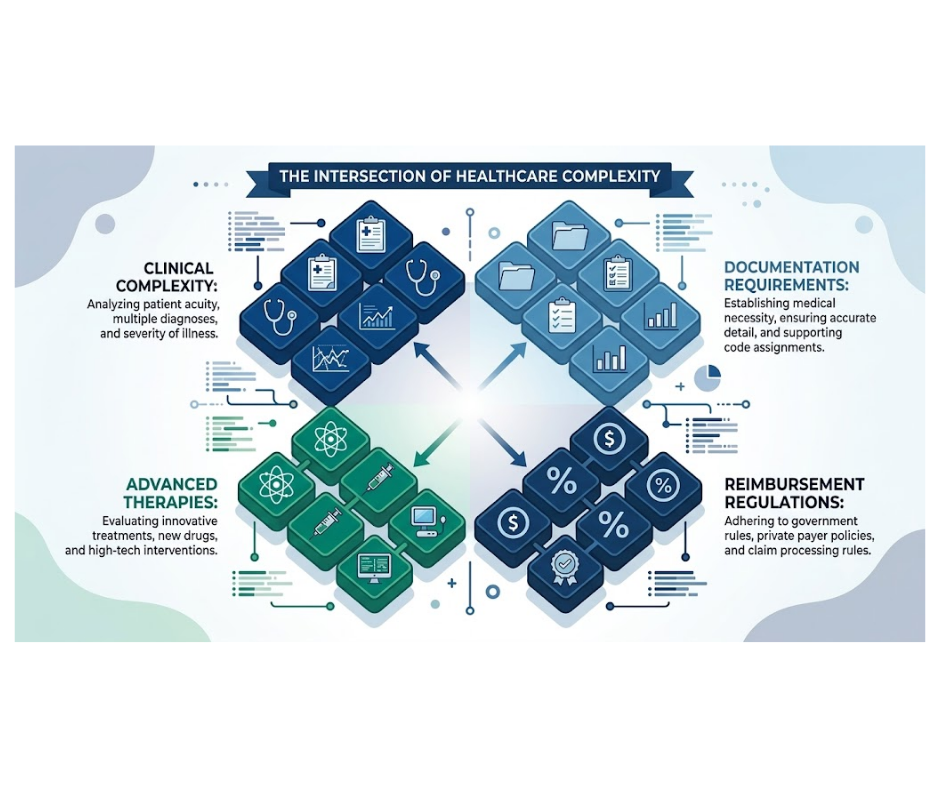
Wound care programs operate at the intersection of clinical complexity, documentation requirements, advanced therapies, and reimbursement regulations.
Providers must accurately document wound characteristics, medical necessity, treatment plans, healing progression, procedures performed, and patient outcomes. At the same time, organizations must ensure coding accuracy, billing integrity, operational consistency, and adherence to current standards of care.
Even highly skilled clinical teams can develop documentation inconsistencies over time.
The challenge becomes even greater when programs experience staff turnover, leadership transitions, growth, or changes in payer requirements.
Ongoing provider education remains one of the most effective methods for reducing compliance exposure while improving documentation quality and clinical consistency across the continuum of care. Wound Care University
The OIG continues to emphasize the importance of effective compliance programs as a foundational component of organizational risk management. OIG General Compliance Program Guidance
What a Meaningful Compliance Evaluation Should Examine
A thorough wound care compliance assessment should extend far beyond a simple chart review.
The most valuable evaluations examine multiple dimensions of program performance, including clinical documentation, coding accuracy, billing practices, workflow efficiency, physician engagement, operational consistency, and regulatory adherence.
Areas commonly reviewed include:
Documentation completeness and medical necessity support
Coding and billing accuracy
Debridement documentation
Hyperbaric oxygen therapy documentation
Clinical workflow consistency
Revenue-cycle processes
Provider education opportunities
Policy and procedure alignment
Quality and outcome reporting
The goal is not to find fault.
The goal is to provide leadership with a clear understanding of where risks exist and where opportunities for improvement can strengthen the program.
Five Questions Every Executive Team Should Ask
Healthcare executives should regularly ask the following questions:
1. Are we confident our documentation consistently supports medical necessity?
Incomplete or inconsistent documentation remains one of the most common contributors to denials, audits, and reimbursement challenges.
2. Are our coding and billing practices aligned with current regulatory expectations?
Coding regulations and payer requirements evolve frequently. Regular reviews help ensure ongoing compliance.
3. Are we identifying operational inefficiencies that impact performance?
Compliance and operational excellence often go hand in hand. Workflow inefficiencies frequently create documentation and billing vulnerabilities.
4. Are our providers receiving ongoing education and feedback?
Clinical excellence requires continuous education. Organizations that invest in provider development often experience stronger documentation quality and more consistent outcomes. Wound Care University Education
5. Do we have independent validation of our compliance efforts?
Internal reviews are valuable, but external assessments often identify blind spots that internal teams may overlook.
Independent program evaluations can identify vulnerabilities long before they become findings in an audit, repayment demand, or government investigation.
Compliance Is About More Than Avoiding Audits
While audit preparedness remains important, the most successful organizations view compliance as a strategic advantage rather than a regulatory obligation.
Strong compliance programs improve documentation quality, support provider confidence, strengthen operational consistency, enhance patient care, and reduce financial risk.
Organizations that prioritize transparency create a culture of accountability and continuous improvement.
Those benefits extend far beyond regulatory protection.
The Importance of Evidence-Based Standards
Clinical documentation and treatment protocols should align with nationally recognized evidence-based guidelines whenever possible.
Organizations should regularly review guidance from respected professional organizations such as the National Pressure Injury Advisory Panel NPIAP and the Wound Healing Society Guidelines to ensure clinical practices remain aligned with current standards.
This commitment to evidence-based care supports both patient outcomes and regulatory readiness.
Frequently Asked Questions About Wound Care Compliance
What triggers a wound care audit?
Wound care audits are commonly triggered by unusual billing patterns, high utilization of advanced products, documentation inconsistencies, coding discrepancies, outlier provider behavior, and whistleblower complaints.
What are the biggest compliance risks in wound care?
Common risks include insufficient documentation, unsupported medical necessity, improper coding, inadequate procedure documentation, hyperbaric therapy documentation deficiencies, and billing practices that cannot be fully supported within the medical record.
Can wound care compliance issues affect hospital reimbursement?
Yes. Compliance deficiencies can result in claim denials, repayment demands, increased audit scrutiny, reputational damage, and in some cases government investigations. Many enforcement actions are pursued under the False Claims Act. Department of Justice False Claims Act Overview
How often should wound programs conduct compliance reviews?
Most experts recommend regular internal audits supplemented by periodic independent assessments to identify vulnerabilities before they become significant organizational risks.
Transparency Creates Confidence
Healthcare leaders deserve visibility into the true health of their wound care programs.
A comprehensive compliance evaluation provides more than a checklist. It delivers clarity, accountability, and actionable insight that can strengthen operations, improve outcomes, and reduce organizational risk.
At WoundCentrics, we help healthcare organizations evaluate program performance, identify opportunities for improvement, and build sustainable wound care programs designed for long-term success.
Learn more about our consulting, program development, education, and research services to discover how an independent compliance evaluation can strengthen your organization's wound care strategy.