
This Isn't Wound Management. It's a System.
Most wound care programs don't struggle because of a lack of treatment options. They struggle because of fragmented workflows, delayed intervention, and disconnected documentation. WoundCentrics partners with hospitals and health systems to turn wound care into a structured, performance-driven program.
WOUND CARE CONSULTING

Built for operational performance, not just care
59
Wound Care Programs Optimized
28
Health Systems Partnered
35
Years in Wound Care Operations
Where Most Wound Care Programs Break Down
OUR APPROACH
A wound care program isn't just a clinical service anymore, it's an operational system that touches reimbursement, compliance, and
patient throughput. When that system is fragmented, WoundCentrics finds where it broke and rebuilds it.
Wound Management
Reactive care, treated one visit at a time
A single-site study only sees one kind of patient.
Documentation gaps that create compliance risk
Referrals handled ad hoc, with no clear owner

Wound Care System
Proactive, data-driven program design
Standardized workflows from inpatient to post-acute
Documentation built for accuracy and reimbursement
Coordinated referral pathways with clear accountability
“ Exceptional healthcare organizations are built by empowering people, creating reliable systems, and never losing sight of the patient.”
Stuart Oertli, MS
Chief Operating Officer
LEADERSHIP
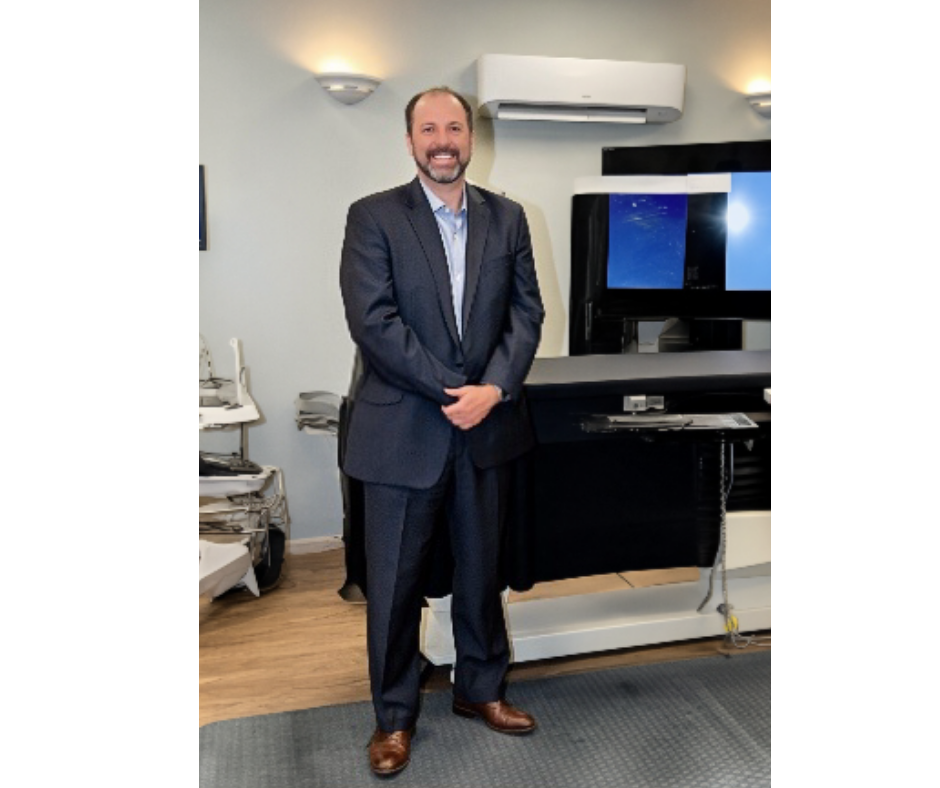
WoundCentrics' consulting engagements are guided by Stuart Oertli, who has spent nearly three decades building scalable, high-performing specialty healthcare programs.

Assess
Strategic Consulting That Goes Beyond Clinical Care
We evaluate current workflows,
documentation, and performance data to find where the system is breaking down.
SCOPE OF WORK
OUR PROCESS
Most wound care challenges are not caused by a lack of treatment options — they are caused by fragmented systems, inconsistent workflows, delayed intervention, documentation gaps, and disconnected care.
WoundCentrics helps healthcare organizations develop integrated wound care models that align:
How an Engagement Works
Program &
Workflow Design
We build a plan to close those gaps,
built around how the organization actually operates.
Documentation &
Compliance
Design
Revenue Cycle
Performance
Implement
Entire Continuum
of Care
We work alongside your team to
put new workflows, documentation standards, and referral pathways
into practice.
Measure
We track outcomes and adjust,
because a wound care system should keep improving after the engagement ends.
Designed for Healthcare Leaders Managing Complexity
Healthcare executives are under increasing pressure to improve outcomes, reduce operational inefficiencies, strengthen compliance, and optimize resource utilization — all while managing increasingly complex patient populations.
WoundCentrics provides the clinical, operational, and strategic expertise needed to help organizations build wound care systems designed for long-term performance.
This is not simply wound management...this is system-based strategy built for modern healthcare operations.
Questions From Sponsors & Partners
-
Wound care consulting is the evaluation and redesign of a hospital or health system's wound care program, its workflows, documentation, staffing, and referral pathways, so it functions as a coordinated system instead of a collection of disconnected services.
-
Staffing fills a clinic. Consulting fixes the system a clinic runs on. WoundCentrics evaluates the operational and clinical structure behind a wound care program, then rebuilds the parts creating inefficiency, compliance risk, or lost reimbursement.
-
An assessment reviews a program's current workflows, documentation practices, referral pathways, and performance data to identify where the system is breaking down and where the most immediate opportunities for improvement are.
-
Yes. WoundCentrics consults across outpatient wound centers, hyperbaric programs, and inpatient and post-acute wound care operations, whether hospital-owned or independently operated.
-
It depends on scope. A focused compliance or documentation review can take a few weeks; a full program redesign, from assessment through implementation, typically spans several months.
Let's Build a Program That Performs
A wound care program should improve outcomes and the organization's bottom line at the same time. If yours is doing one but not the other, we should talk.