
The Psychological Impact of Chronic Wounds and the Power of Compassionate Care
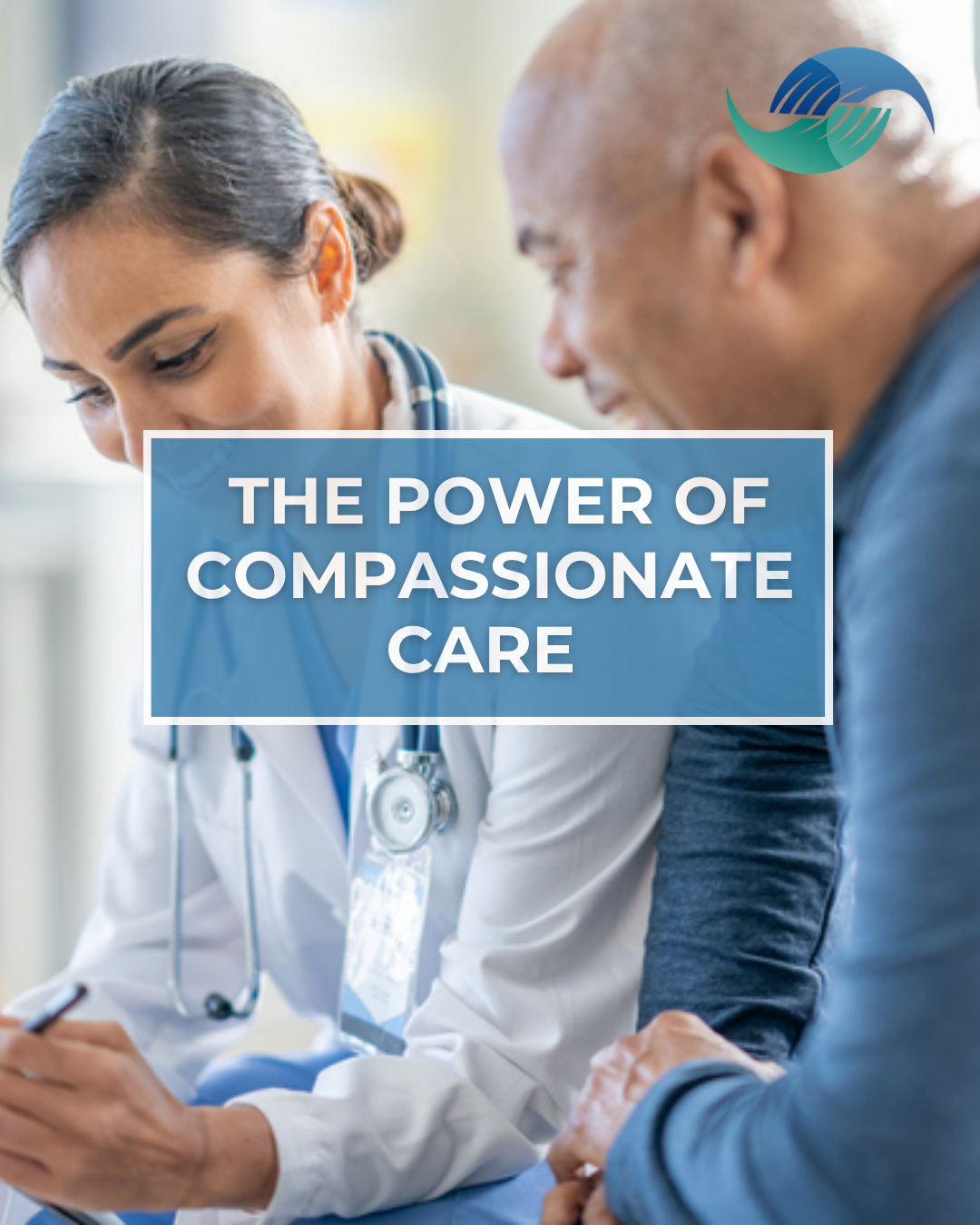
Chronic wounds carry a psychological burden as serious as their physical one. Peer-reviewed research shows that at least 30% of chronic wound patients experience depressive symptoms or anxiety, with rates climbing to roughly 40% among people with diabetic foot ulcers and long-standing venous leg ulcers (Renner & Erfurt-Berge, Chronic Wound Care Management and Research, 2017; Souza Nogueira et al., International Journal of Lower Extremity Wounds, 2009). That is roughly three times the depression rate seen in the general population. Treating the wound without addressing the emotional toll leaves half the problem unmanaged.
How Common Is Depression Among Chronic Wound Patients?
Chronic wounds don't just affect the body — they reshape a patient's entire daily life. Multiple peer-reviewed studies converge on the same range: at least 30% of chronic wound patients report clinically significant depressive symptoms or anxiety, according to a comprehensive review in Chronic Wound Care Management and Research (Renner & Erfurt-Berge, 2017).
Prevalence climbs higher in specific populations. Patients with diabetic foot ulcers show depression rates near 40% (Balikji et al., International Journal of Environmental Research and Public Health, 2022), and one study of venous leg ulcers present for six months or longer found 40% depression and 30% anxiety using the Hospital Anxiety and Depression Scale (Souza Nogueira et al., 2009). A hospitalized-patient study similarly found 37% with depressive symptoms and 36.6% with anxiety symptoms (Zhao et al., Advances in Skin & Wound Care, 2021).
The takeaway for care teams is consistent across the literature: depression in chronic wound patients is common, often underdiagnosed, and directly relevant to clinical outcomes — not just quality of life.
Why Do Chronic Wounds Take Such a Heavy Emotional Toll?
For many patients, a chronic wound becomes a daily reminder of vulnerability. Slow or unpredictable healing, frequent appointments, and ongoing discomfort fuel anxiety, depression, and fear about the future.
Common sources of psychological strain include:
Fear of losing independence or the ability to work
Uncertainty about healing timelines and long-term complications
Chronic pain, especially during dressing changes
Loss of control over one's own body and daily routine
In moments like a painful dressing change, a simple pause from a caregiver — a reassuring conversation, a moment of empathy — can dramatically ease emotional distress. These human connections often provide relief when patients feel overwhelmed or discouraged.
What Role Does Compassionate Care Play in Wound Healing?
Healthcare teams support emotional healing by intentionally practicing compassionate care. This isn't an abstract ideal — it is a specific, repeatable set of clinical behaviors:
Active listening during every visit, not just intake
Open-ended questions that invite patients to share concerns
Consistent reassurance and clear updates on healing progress
Clear communication about progress reduces uncertainty and builds trust — an essential component of successful wound healing. Depression itself has been linked to slower healing, higher complication rates, and increased infection risk (meta-analysis, PLOS ONE, 2025), so emotional support isn't separate from clinical care — it's part of it.
How Does Social Isolation Affect Patients With Chronic Wounds?
Social isolation is another common but often overlooked challenge. Concerns about wound odor, drainage, bulky dressings, or visible changes can cause patients to withdraw from activities they once enjoyed.
Everyday routines — leaving the house, attending social gatherings, even choosing clothing — can suddenly feel daunting. This isolation frequently intensifies emotional distress and can negatively affect healing outcomes, creating a cycle where withdrawal worsens both mental health and physical recovery.
Why Caregiver Well-Being Matters Too
Caregivers and family members also carry real emotional strain. Supporting a loved one through chronic wound care can lead to stress, fatigue, and burnout.
When caregiver well-being is overlooked, it affects both the patient's emotional health and adherence to treatment plans. Support systems, peer connections, and mental health resources benefit caregivers as much as patients — a fact care teams should build into every treatment plan, not treat as an afterthought.
Building a Coordinated, Whole-Patient Care Team
Compassionate wound care requires a coordinated, team-based approach. Nurses, physicians, and mental health professionals each play a vital role — addressing physical needs while recognizing emotional trauma.
Small, specific actions consistently improve outcomes:
Managing pain proactively rather than reactively
Tracking healing progress visually so patients see tangible gains
Encouraging social connection instead of isolation
Integrating mental health screening and support directly into care plans
WoundCentrics builds this kind of coordinated model into its physician-led programs, pairing clinical protocols with the human element that keeps patients engaged in their own recovery. [INTERNAL LINK — anchor text: "physician-led wound care consulting" → suggested destination: /wound-care-consulting]
Frequently Asked Questions
Q: What percentage of chronic wound patients experience depression?
A: Published research indicates at least 30% of chronic wound patients experience depressive symptoms or anxiety, with rates near 40% among diabetic foot ulcer patients and long-duration venous leg ulcers (Renner & Erfurt-Berge, 2017; Souza Nogueira et al., 2009).
Q: Can depression actually slow down wound healing?
A: Yes. Depression has been associated with delayed wound healing, higher rates of wound complications, and increased infection risk, according to a 2025 meta-analysis in PLOS ONE (PMC, 2025).
Q: Why do chronic wounds cause social isolation?
A: Concerns about wound odor, drainage, visible dressings, or appearance often lead patients to withdraw from social activities and everyday routines, which can deepen emotional distress and further slow healing.
Q: What is compassionate wound care?
A: Compassionate wound care is a clinical approach that pairs physical treatment with emotional support — active listening, open-ended questions, and consistent reassurance — so patients feel heard, respected, and involved in their own care.
Q: Are caregivers affected by a loved one's chronic wound too?
A: Yes. Family caregivers commonly experience stress, fatigue, and burnout while supporting a loved one through chronic wound care, which can in turn affect the patient's treatment adherence and emotional health.
Q: How can care teams support patients' mental health during wound treatment?
A: Effective teams proactively manage pain, track and share healing progress, encourage social connection, and integrate mental health screening and support directly into the wound care plan.
If you're a clinician or hospital leader looking to build a wound care program that treats the whole patient — not just the wound — WoundCentrics' physician-led teams combine evidence-based clinical protocols with the compassionate care model outlined here. Reach out to learn how our programs support both healing outcomes and patient well-being.
Sources