
How Compression Therapy Helps Wounds Heal
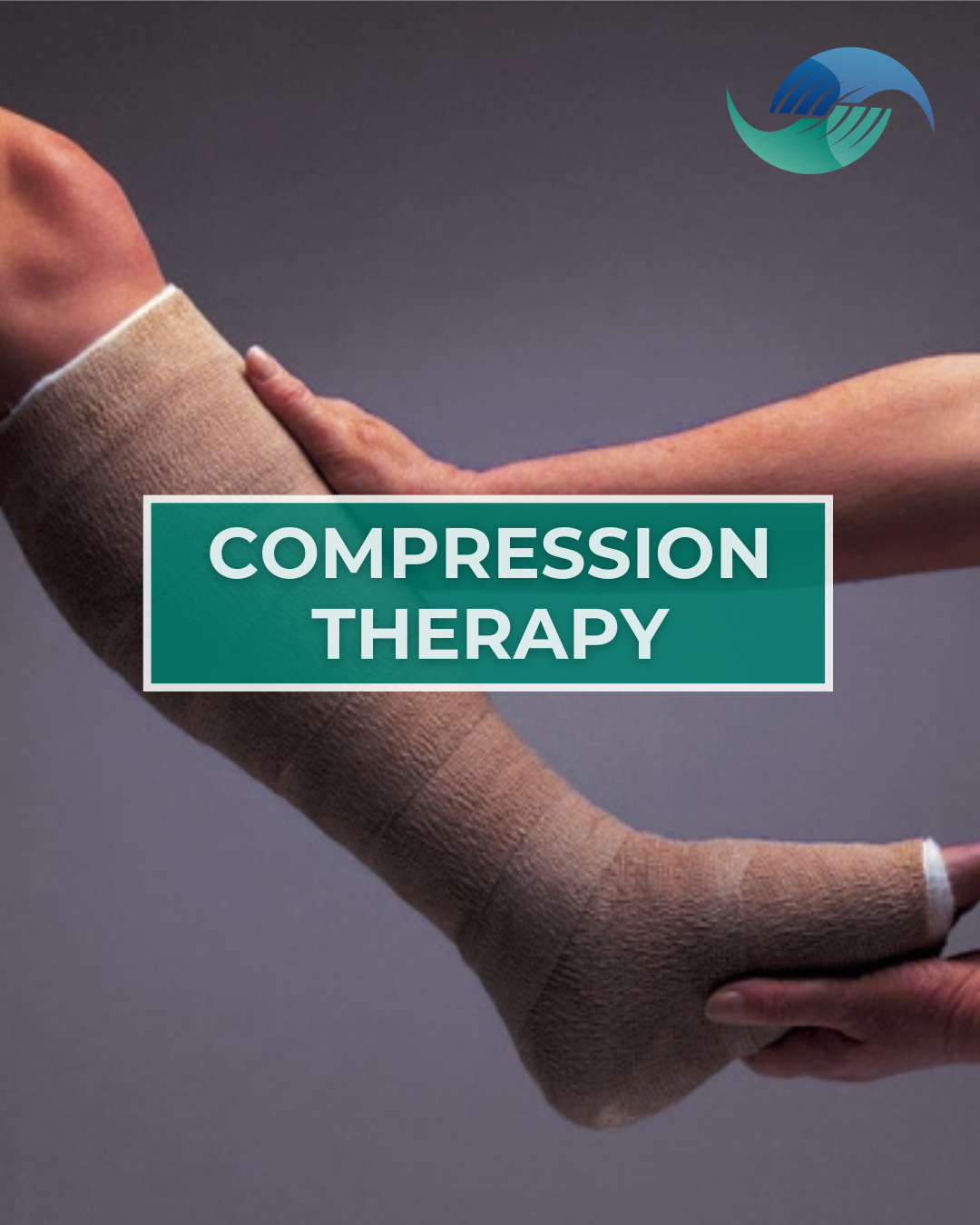
How Compression Therapy Helps Wounds Heal
Compression therapy speeds wound healing by applying controlled external pressure to a limb, which pushes pooled fluid and blood back toward the heart, reduces swelling, and improves circulation to the wound bed. For venous leg ulcers specifically, published research shows compression significantly increases the odds of complete healing compared to no compression — with major studies reporting healing rates above 50% within about six months. It's a cornerstone treatment for chronic venous insufficiency and venous leg ulcers, but it must be prescribed and fitted by a clinician.
Why Swelling and Poor Circulation Stall Wound Healing
When a wound on the leg or foot won't close, swelling and poor circulation are usually the underlying problem. Fluid pools in the lower leg because damaged or weakened vein valves can't efficiently push blood back up toward the heart, a condition known as chronic venous insufficiency.
That pooling — edema — raises pressure in the surrounding tissue, starves the wound of oxygen and nutrients, and creates an environment where bacteria thrive and healthy tissue can't rebuild. Without addressing the circulation problem, even well-dressed wounds tend to stall or reopen.
How Compression Therapy Works
Compression therapy involves wrapping the affected limb with specialized bandages or fitting it with snug medical-grade stockings, sleeves, or pneumatic pump devices. The gentle, graduated pressure does several things at once:
Boosts venous return — squeezing the leg muscles and vein walls helps push blood back toward the heart instead of pooling at the ankle.
Improves microcirculation and lymphatic drainage — this reduces fluid leakage into tissue and increases oxygen delivery at the cellular level.
Reduces edema — less swelling means less pressure on the wound and surrounding skin.
Releases anti-inflammatory mediators — calming local inflammation and encouraging the skin to remodel.
Better oxygenation from improved blood flow supports healthy tissue growth and helps the body clear bacteria from the wound site — both essential steps in the healing cascade.
What Conditions Is Compression Therapy Used For?
Clinicians prescribe compression therapy for several circulation-related conditions, including:
Chronic venous insufficiency (CVI)
Varicose veins
Deep vein thrombosis (DVT), in specific clinical scenarios
Venous leg ulcers, where compression is considered first-line therapy
Venous leg ulcers are the condition where compression therapy has the strongest evidence base. For these wounds, appropriate pressure improves blood flow, eases pain and itching, helps prevent new ulcers from forming, and reduces infection risk while supporting mobility and quality of life.
How Many Venous Leg Ulcers Heal With Compression Therapy?
Published clinical research confirms that compression therapy significantly improves healing rates for venous leg ulcers compared with no compression, and that more than half of patients typically achieve complete healing within about six months of consistent, correctly applied compression. A 2022 meta-review in the International Wound Journal found 61% of patients healed with compression therapy versus only 39% without it over comparable follow-up periods (International Wound Journal meta-review, PMC). The foundational Cochrane systematic review on compression for venous leg ulcers similarly found that healing outcomes, including time to healing, are consistently better with compression than without it across the randomized trials analyzed (Cochrane Database of Systematic Reviews, O'Meara et al.).
UK clinical guidance based on this evidence base sets a benchmark that at least 75% of patients with uncomplicated venous leg ulcers should heal within 24 weeks of appropriate compression therapy, and flags patients for escalation to specialist care if they aren't progressing by four weeks (NICE/National Wound Care Strategy Programme guidance). These figures reinforce the same core message: compression therapy, applied correctly and consistently, meaningfully accelerates healing for the large majority of venous leg ulcer patients.
→ Our Physician-Led Wound Care Programs←
Who Should Manage Compression Therapy — and Why It Isn't DIY
Compression therapy isn't a do-it-yourself remedy. A qualified clinician needs to determine whether a patient is a good candidate for compression, how much pressure is appropriate, and which device fits the situation — multi-layer bandages, medical-grade stockings, or intermittent pneumatic compression pumps.
Strong compression is often required for venous ulcers specifically, but incorrect pressure or a poor fit can cause skin breakdown or restrict circulation dangerously, particularly in patients with coexisting arterial disease. Patients should always have compression garments and bandages fitted and monitored by a nurse or physician trained in wound care.
When used correctly under clinical supervision, compression therapy is a powerful, non-invasive way to speed healing by keeping blood moving and swelling down.
Frequently Asked Questions
Q: What does compression therapy do for a wound?
A: Compression therapy applies controlled pressure to a limb to reduce swelling, improve venous return, and boost circulation to the wound bed, which supplies more oxygen and nutrients needed for tissue repair.
Q: How long does it take for a venous leg ulcer to heal with compression therapy?
A: Many patients see complete healing within about six months of consistent compression therapy, and published research indicates more than half of patients heal in that timeframe, though larger or longer-standing ulcers can take longer (International Wound Journal, PMC).
Q: Can I do compression therapy on my own without a doctor?
A: No. Compression therapy should be prescribed and fitted by a medical professional, since the wrong pressure level or device can cause skin damage or worsen circulation problems, especially in patients with underlying arterial disease.
Q: What conditions is compression therapy used to treat?
A: Compression therapy is used for chronic venous insufficiency, varicose veins, certain cases of deep vein thrombosis, and especially venous leg ulcers, where it is considered a first-line treatment.
Q: What types of compression devices are used for wound care?
A: Common options include multi-layer compression bandages, medical-grade compression stockings or sleeves, and intermittent pneumatic compression pumps — the right choice depends on the wound, the patient's circulation, and clinical judgment.
Q: Does compression therapy prevent leg ulcers from coming back?
A: Yes. Ongoing compression therapy after an ulcer heals helps maintain healthy circulation and is a key strategy for reducing the risk of recurrence.
If a wound isn't healing on its own, don't wait to get it evaluated. WoundCentrics' physician-led wound care teams can assess whether compression therapy or another advanced treatment is right for your situation — contact us to connect with a wound care specialist near you.
Sources