
Clinical excellence is essential to a successful hospital wound care program, but achieving long term success requires an equally disciplined approach to operational performance and financial sustainability. Hospitals can deliver exceptional patient outcomes while simultaneously experiencing declining margins, inefficient resource utilization, and unrealized growth opportunities. For healthcare executives navigating increasing financial pressures, the distinction between providing excellent care and operating a financially sustainable service line has never been more important.
Wound care is often approached primarily as a clinical function, with financial performance evaluated through the hospital's traditional departmental reporting structure. While this approach provides visibility into revenue and expense, it does not necessarily reveal the operational factors influencing those results. A program may demonstrate consistent patient volume yet struggle with referral conversion, underutilized provider capacity, reimbursement deficiencies, or an expense structure that has gradually become misaligned with demand. Individually, these challenges may appear manageable. Collectively, they can materially decrease the financial contribution of an otherwise clinically successful program.
The real opportunity lies in managing wound care as an integrated service line, where clinical performance, operational efficiency, and financial accountability are evaluated together.
From a CFO's perspective, the financial performance of a wound center cannot be assessed solely through revenue growth or departmental profitability. A more meaningful evaluation considers the underlying economics of the program, including labor productivity, reimbursement realization, supply utilization, and the relationship between patient volume and operating capacity. Understanding these drivers allows hospital leadership to distinguish between fluctuations in financial performance and structural inefficiencies that require management intervention.
This level of financial visibility becomes important when evaluating opportunities for growth. Expanding provider coverage, increasing clinic hours, or investing in additional resources may appear strategically sound, but growth does not automatically translate into improved profitability. Without corresponding referral demand, efficient patient access, and disciplined expense management, expansion can dilute margins rather than strengthen them. Sustainable growth requires a coordinated strategy that aligns market opportunity with operational capacity and an appropriate cost structure.
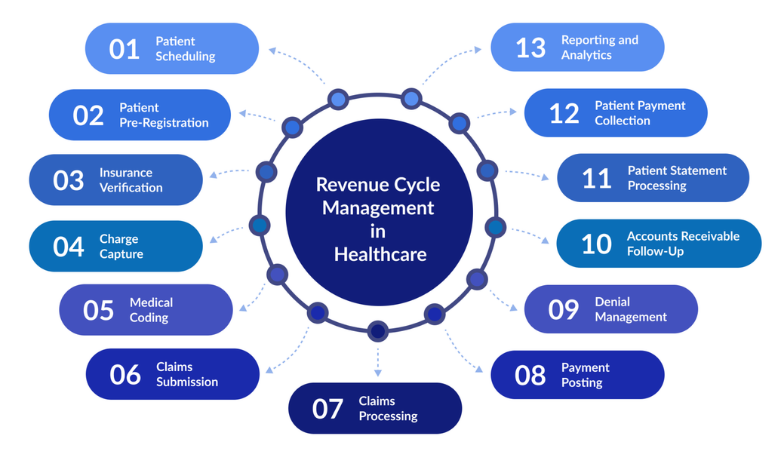
Revenue cycle performance is equally integral to the economics of wound care. Reimbursement is influenced by decisions made throughout the patient encounter, beginning with eligibility verification and authorization requirements and continuing through clinical documentation, coding, charge capture, and claims resolution. When these functions operate independently, reimbursement deficiencies are frequently identified only after revenue has been delayed or lost. Integrating revenue cycle oversight into daily operations creates an opportunity to identify recurring deficiencies, address their underlying causes, and improve the predictability of cash flow and net revenue realization.
An effective service line management structure brings these financial and operational disciplines together. Rather than assigning responsibility for performance across disconnected departments, it establishes coordinated accountability for the factors that influence the program's results. Clinical leadership remains responsible for delivering high quality care, while operational and financial oversight ensures that staffing, productivity, referral development, reimbursement, and compliance support the program's broader objectives.
The value of this approach extends beyond improving departmental financial statements. For hospital leadership, it creates a more informed basis for capital allocation, resource deployment, and long term strategic planning. It also provides a clearer understanding of whether the wound center is generating an appropriate financial contribution relative to the resources committed to its operation.

As hospitals face continued reimbursement pressure, rising labor costs, and increasing expectations for financial performance, the ability to manage individual service lines with greater precision is becoming a strategic necessity. Wound care programs should not be evaluated exclusively by the volume of patients treated or the revenue they generate, but by their ability to deliver measurable clinical outcomes within a sustainable economic model.
Ultimately, clinical excellence and financial discipline should not be competing priorities. They are complementary responsibilities of a well managed organization. When supported by a comprehensive service line management strategy, wound care can evolve from a clinically important hospital department into a financially accountable, strategically valuable component of the hospital's broader care delivery model.
Frequently Asked Questions
Why isn't clinical excellence enough for a hospital wound care program?
Clinical excellence is essential, but long-term success also requires disciplined operational performance and financial sustainability. A wound center can deliver exceptional patient outcomes while margins decline, resources go underused, and growth opportunities are missed. Managing clinical, operational, and financial performance together closes that gap.
What is wound care service line management?
Wound care service line management evaluates clinical performance, operational efficiency, and financial accountability together rather than across disconnected departments. Clinical leaders remain responsible for high-quality care, while operational and financial oversight aligns staffing, productivity, referral development, reimbursement, and compliance with the program's broader objectives.
How should a hospital CFO evaluate wound center financial performance?
Look beyond revenue growth and departmental profitability to the program's underlying economics: labor productivity, reimbursement realization, supply utilization, and the relationship between patient volume and operating capacity. These drivers help leaders tell the difference between normal fluctuations and structural inefficiencies that require management intervention.
Does expanding a wound care program always improve profitability?
No. Adding provider coverage, clinic hours, or other resources can dilute margins when referral demand, patient access, and expense management do not keep pace. Sustainable growth aligns market opportunity with operational capacity and an appropriate cost structure.
How does revenue cycle performance affect wound care reimbursement?
Reimbursement is shaped throughout the patient encounter, from eligibility verification and authorization to clinical documentation, coding, charge capture, and claims resolution. When these functions operate independently, deficiencies often surface only after revenue is delayed or lost. Integrating revenue cycle oversight into daily operations helps address root causes and improves cash flow predictability.
How does service line management support hospital leadership decisions?
It gives leadership a more informed basis for capital allocation, resource deployment, and long-term strategic planning. It also clarifies whether the wound center is generating an appropriate financial contribution relative to the resources committed to its operation.
How should hospitals measure the success of a wound care program?
Not by patient volume or revenue alone. A wound care program should be judged by its ability to deliver measurable clinical outcomes within a sustainable economic model, so that clinical excellence and financial discipline work as complementary responsibilities.
Related Reading
Ready to evaluate your wound care service line? Explore WoundCentrics wound care program management.