
Slough: The Yellow Barrier to Healing — Why Removal Should Be Left to Professionals
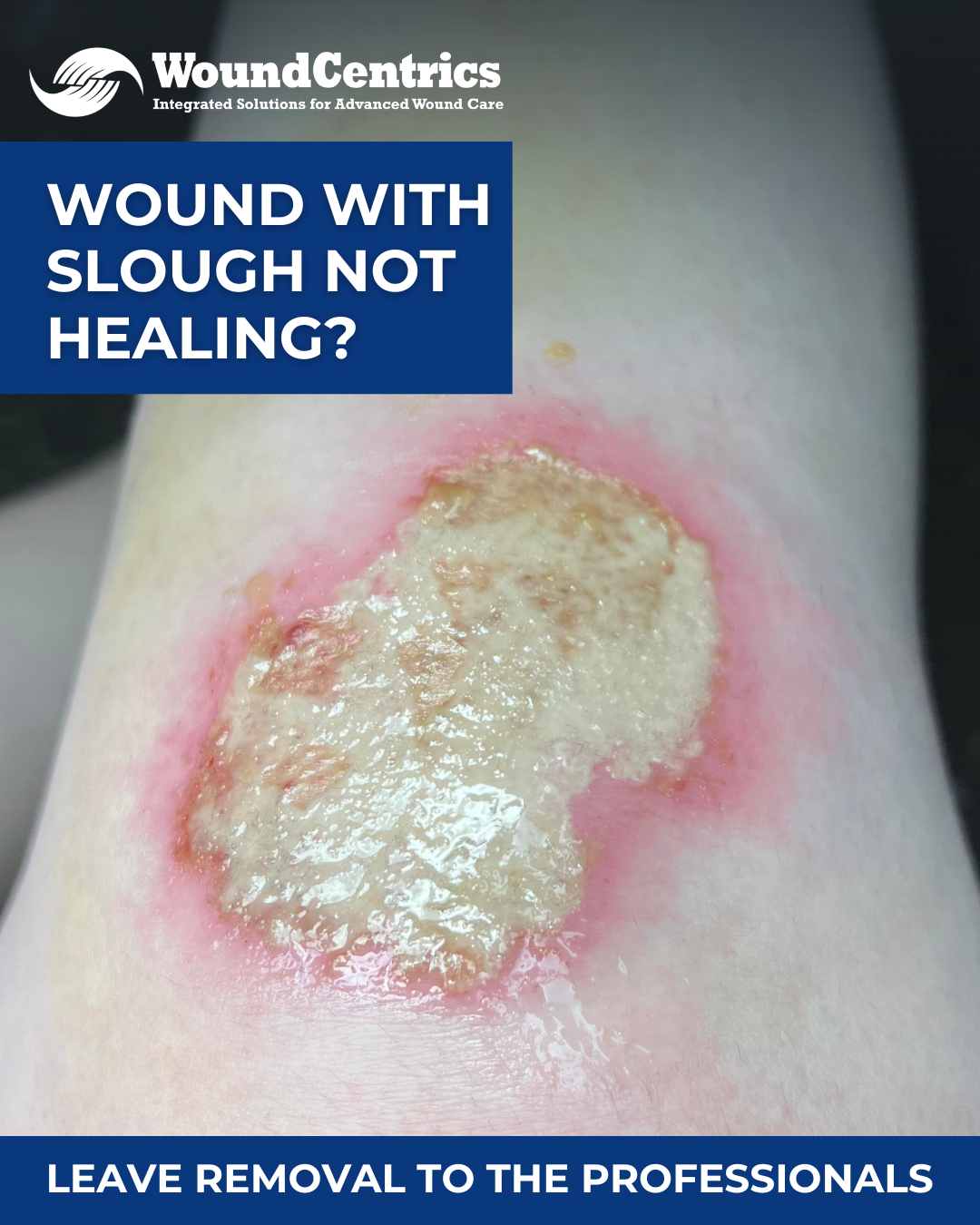
When a wound doesn’t heal quickly, you may notice a soft, yellow or white substance on top of it. This material, called slough, is a byproduct of the inflammatory phase of wound healing and is very different from a scab or pus. Healthy tissue heals from the bottom up and eventually forms new skin. Slough, on the other hand, is nonviable tissue made up of fibrin, dead cells, leukocytes and microbes. It often looks pale yellow, tan or white, and may be stringy or thick. Unlike dry, hard eschar, which may protect some wounds, slough is moist and provides no benefit to healing.
Slough signals that a wound is stuck in the inflammatory stage rather than moving into the repair phase. It harbors bacteria, increases odor and drainage, and can hide signs of infection. These conditions make it hard for healthcare providers to assess the wound accurately and can keep the wound from forming new granulation tissue. Leaving slough in place also prolongs the inflammatory response and provides a focus for infection. For these reasons, many wound care experts consider slough an impediment to healing and recommend removing it.
There are several safe ways to remove slough, and the choice depends on the wound, the patient’s overall health, and the amount of slough present. Autolytic debridement uses moisture-retentive dressings (hydrocolloids, hydrogels or alginates) to help the body’s own enzymes soften and digest slough. Enzymatic debridement applies a topical collagenase to break down the collagen in slough. Mechanical debridement, such as gentle irrigation or specialized cloths, physically removes slough from the wound surface. But in most cases sharp or surgical debridement by a trained clinician is necessary, particularly if slough covers a large area or hides deeper infection, sharps debridement increases healing time significantly.
Keep the wound clean, change dressings as directed, and ask a healthcare professional about the best debridement method. Removing slough promptly helps a wound progress from inflammation to healing, reduces the risk of infection, and supports the growth of healthy tissue.