
How Compression Therapy Helps Wounds Heal
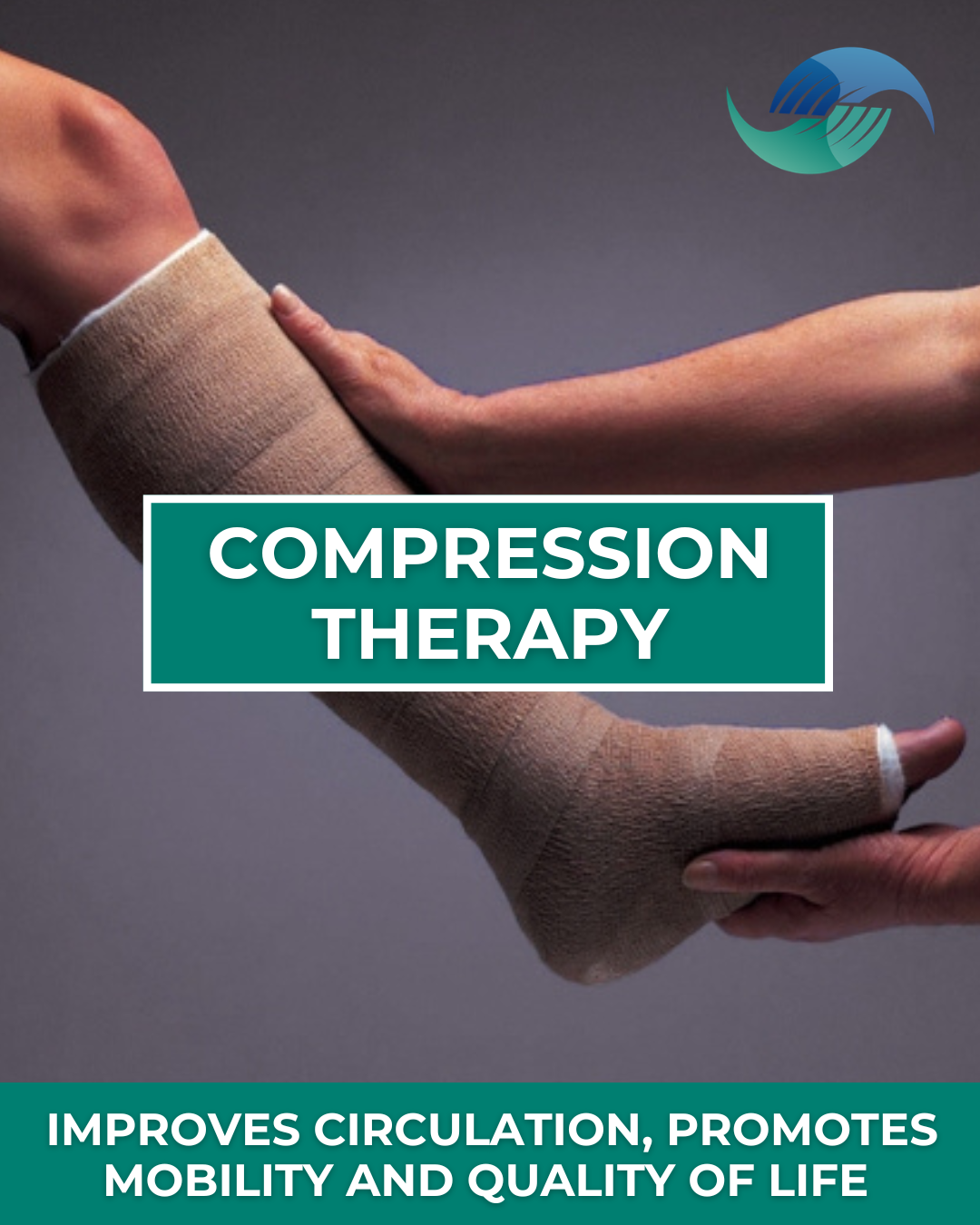
When a wound on your leg or foot isn’t healing, swelling and poor circulation are often to blame.
Compression therapy is a simple treatment that involves wrapping the affected area with special bandages or wearing snug socks or sleeves. The gentle pressure helps push fluid and blood up your leg instead of letting it pool. This reduces swelling (edema) and keeps blood moving, which brings oxygen and nutrients to the wound.
By squeezing the leg muscles, compression therapy boosts “venous return,” meaning it helps the veins move blood back toward the heart. It also improves microcirculation and lymphatic drainage, which reduces fluid leakage and increases oxygen in the tissues.
Better oxygenation supports the growth of healthy tissue and helps clear bacteria. At the same time, compression releases anti-inflammatory mediators that calm swelling and encourage the skin to remodel.
Doctors use compression therapy for conditions such as chronic venous insufficiency, varicose veins, deep vein thrombosis and especially venous leg ulcers.
For leg ulcers, applying pressure improves blood flow, eases pain and itching and even helps prevent new sores from forming. Studies suggest that more than half of patients with long term wounds heal with compression therapy over six months. Better circulation also reduces the risk of infection and promotes mobility and quality of life.
Compression therapy isn’t a do-it-yourself remedy. Medical professionals decide if you are a candidate for compression, how much pressure you need and which device to use, bandages, stockings or pneumatic pumps—based on your wound and health. Strong compression may be required for venous ulcers, always ask your nurse or doctor for proper fitting. When used correctly, compression is a powerful, non‑invasive way to speed healing by keeping blood moving and swelling down.