
Why Moisture Management Matters in Wound Healing
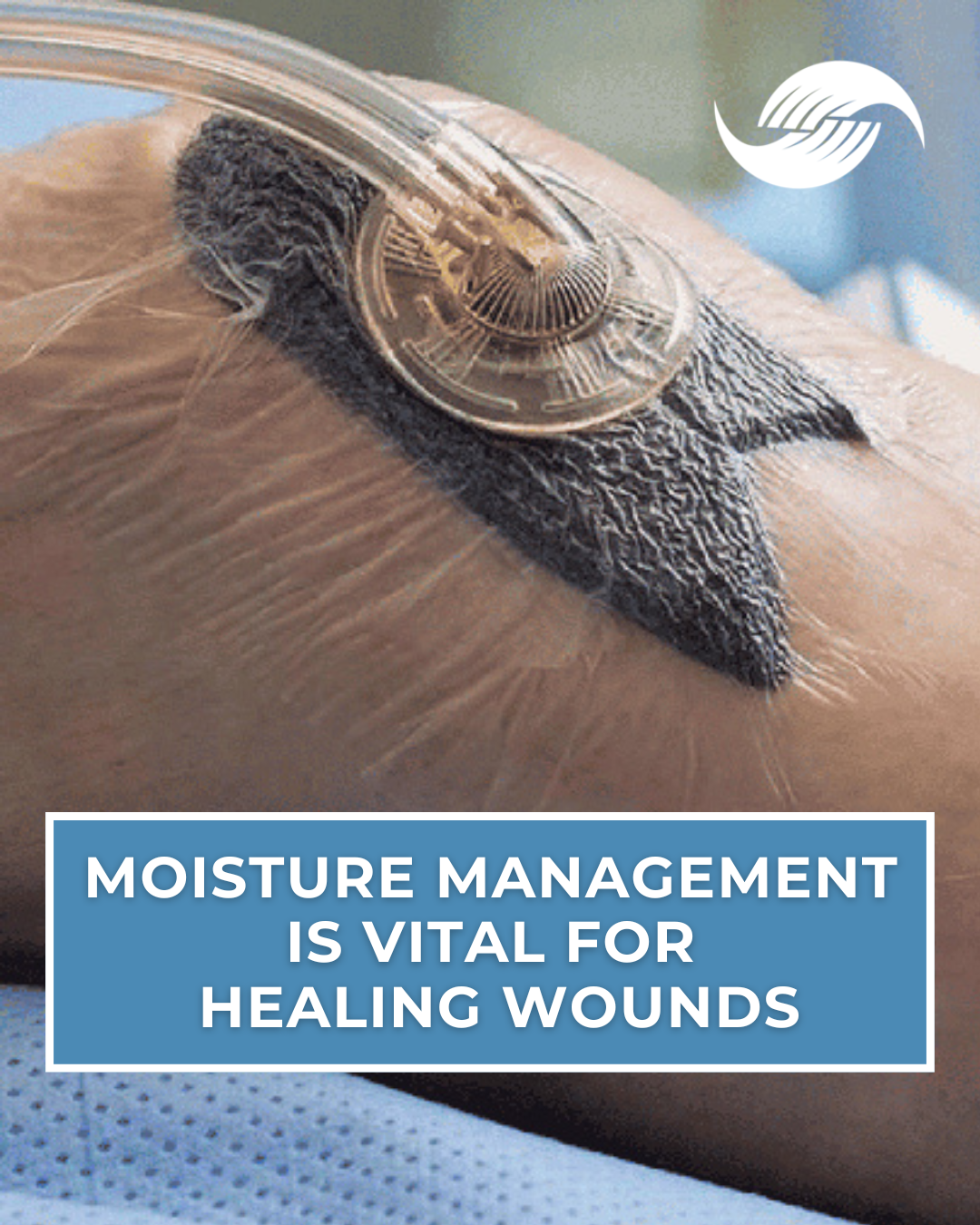
Moisture plays a pivotal role in wound healing. Up until the 1960s, many wounds were left to dry out, but research by George Winter showed that superficial wounds heal twice as fast in a moist environment than under a dry scab. In a moist setting, cells can easily migrate across the woundsurface to close it; dryness forces them to dive deeper for moisture, slowing healing. Moist dressings also prevent tissue dehydration, reduce infection risk and scarring, and support the formation of new blood vessels and collagen. The fluid that seeps from a wound, known as exudate, supplies nutrients and white blood cells that help repair tissue and fight infection. These benefits explain why the right amount of moisture speeds up healing.
However, moisture must be balanced. Acute wounds naturally produce exudate that aids repair, but chronic wounds can produce excess fluid rich in enzymes that slow or block cell growth. Too much moisture makes the surrounding skin soggy and white (maceration), increases pain, and raises the risk of infection and skin breakdown. On the other hand, letting a wound dry out forms a hard scab that prevents new cells from spreading and can lead to cell death. That’s why clinicians assess the type and amount of exudate and choose dressings—such as hydrocolloids, films, hydrogels, foams or alginates—that either absorb excess fluid or donate moisture. Hydrocolloids and hydrogels are designed to keep moisture in the wound bed, while foams and alginates soak up extra exudate. These dressings create a moist environment while protecting the wound from bacteria and being easy to remove.
Proper moisture management also involves cleaning the wound gently, protecting the skin around it, and changing dressings at appropriate intervals to prevent over‑saturation or dryness. While moist healing benefits most wounds, it isn’t suitable for every situation; for example, gangrenous ulcers or malignant wounds may require dry management. Finding this balance—not too dry and not too wet—is essential for a wound to heal efficiently and comfortably.