
Wounds That Hurt More Than Patients: How Poor Wound Care Drags Down Your CMS Star Rating
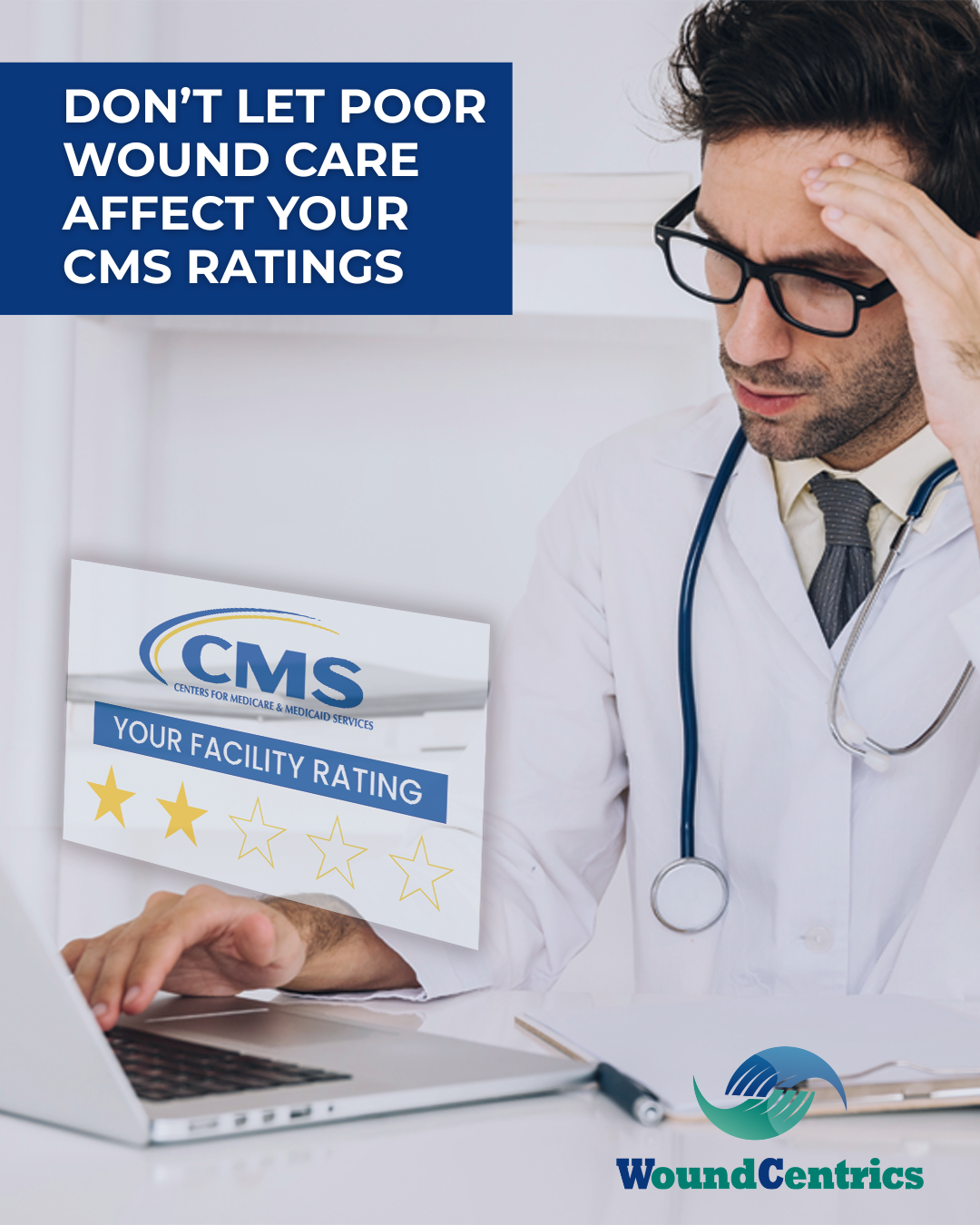
CMS Star Ratings are a central measure of quality in long-term care, shaping public perception, influencing payer decisions, and guiding patient and family trust. While many facilities prioritize staffing levels, clinical protocols, and documentation practices to improve their ratings, wound care often remains an overlooked area—despite its significant impact on overall performance.
Chronic wounds, pressure ulcers, and delayed healing do more than compromise individual patient outcomes—they affect a facility’s quality measures across the board. Poor wound care can lead to survey deficiencies, drive up avoidable hospitalizations, and ultimately lower CMS ratings. Among the most critical components of the CMS quality rating is the frequency of hospital readmissions and emergency room visits. When wounds are not managed effectively, infections and complications become more likely, increasing the chance of transfers to acute care settings. These events are distressing for residents and families and are clear indicators of care deficiencies to surveyors and payers alike.
Wound care practices are also a frequent focus during regulatory surveys. Deficiencies in wound prevention, treatment, or documentation are commonly cited, directly impacting a facility’s health inspection score. Furthermore, wound-related issues negatively influence core quality measures tied to mobility, pain management, and overall patient outcomes. Each unhealed wound represents not just a clinical failure, but a potential drag on the facility’s reputation and rating.
In today’s value-driven healthcare environment, high-quality wound care must be recognized as a strategic priority. Facilities that invest in evidence-based wound management not only improve resident outcomes but also protect and strengthen their CMS Star Ratings—demonstrating excellence where it matters most.