
The Psychological Impact of Chronic Wounds and the Power of Compassionate Care
Chronic wounds don’t just affect the body—they impact every aspect of a patient’s life. Studies show that up to 40% of people living with chronic wounds experience clinical depression, revealing the significant psychological burden these conditions create. Long after the initial injury, patients may live with persistent pain, uncertainty, and emotional exhaustion. While wound care understandably prioritizes physical healing, the psychological impact of chronic wounds deserves equal attention.
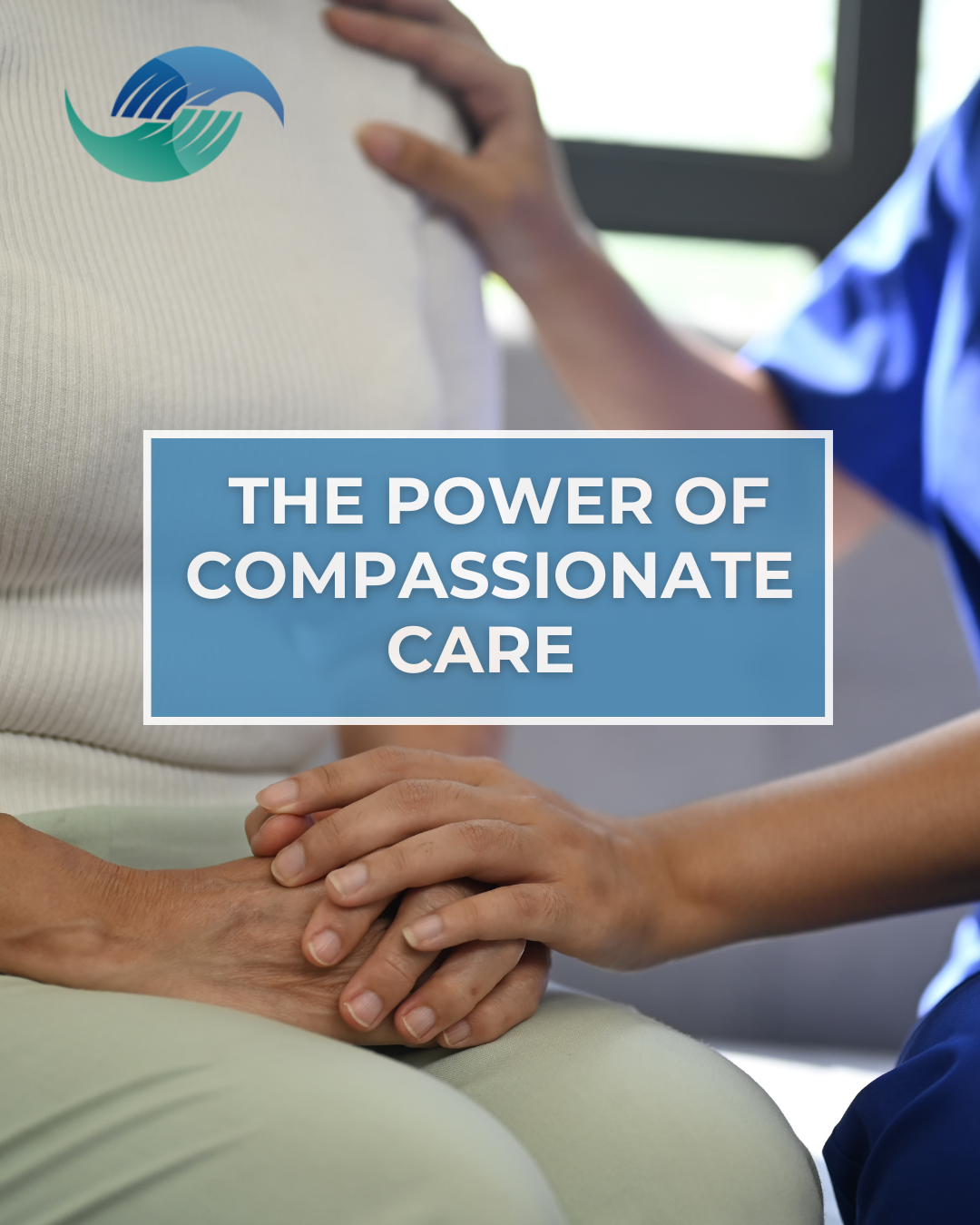
For many patients, chronic wounds become a daily reminder of vulnerability. Slow or unpredictable healing, frequent appointments, and ongoing discomfort can fuel anxiety, depression, and fear about the future. Patients may worry about losing independence, missing work, or facing long-term complications. In moments like a painful dressing change, a simple pause from a caregiver—a reassuring conversation, a moment of empathy—can dramatically ease emotional distress. These human connections often provide relief when patients feel overwhelmed or discouraged.
Healthcare teams can support emotional healing by intentionally practicing compassionate care. Active listening, using open-ended questions, and consistent reassurance to help patients feel heard, respected, and involved in their care. Clear communication about progress reduces uncertainty and builds trust—an essential component of successful wound healing.
Social isolation is another common but often overlooked challenge. Concerns about wound odor, drainage, bulky dressings, or visible changes can cause patients to withdraw from purposeful activities. Everyday routines—leaving the house, attending social gatherings, even something as simple as choosing clothing—can suddenly feel daunting. This isolation frequently intensifies emotional distress and can negatively impact healing outcomes.
Caregivers and family members also experience emotional strain. Supporting a loved one through chronic wound care can lead to stress, fatigue, and burnout. When caregiver well-being is overlooked, it affects both the patient’s emotional health and adherence to treatment plans. Support systems, peer connections, and mental health resources benefit caregivers as much as patients.
Compassionate wound care requires a coordinated, team-based approach. Nurses, physicians, and mental health professionals each play a vital role—addressing physical needs while recognizing emotional trauma. Small actions matter, managing pain proactively, tracking healing progress visually, encouraging social connection, and integrating mental health support into care plans can improve outcomes.
At WoundCentrics, we believe healing happens best when you address the whole person—not just wounds. By recognizing the psychological impact of chronic wounds, care teams can restore dignity, build resilience, and help patients move forward with confidence. Because true healing isn’t just about closing a wound, it’s about restoring quality of life.