
Procedures Without Borders: How Bedside Debridement Is Advancing Inpatient Wound Care
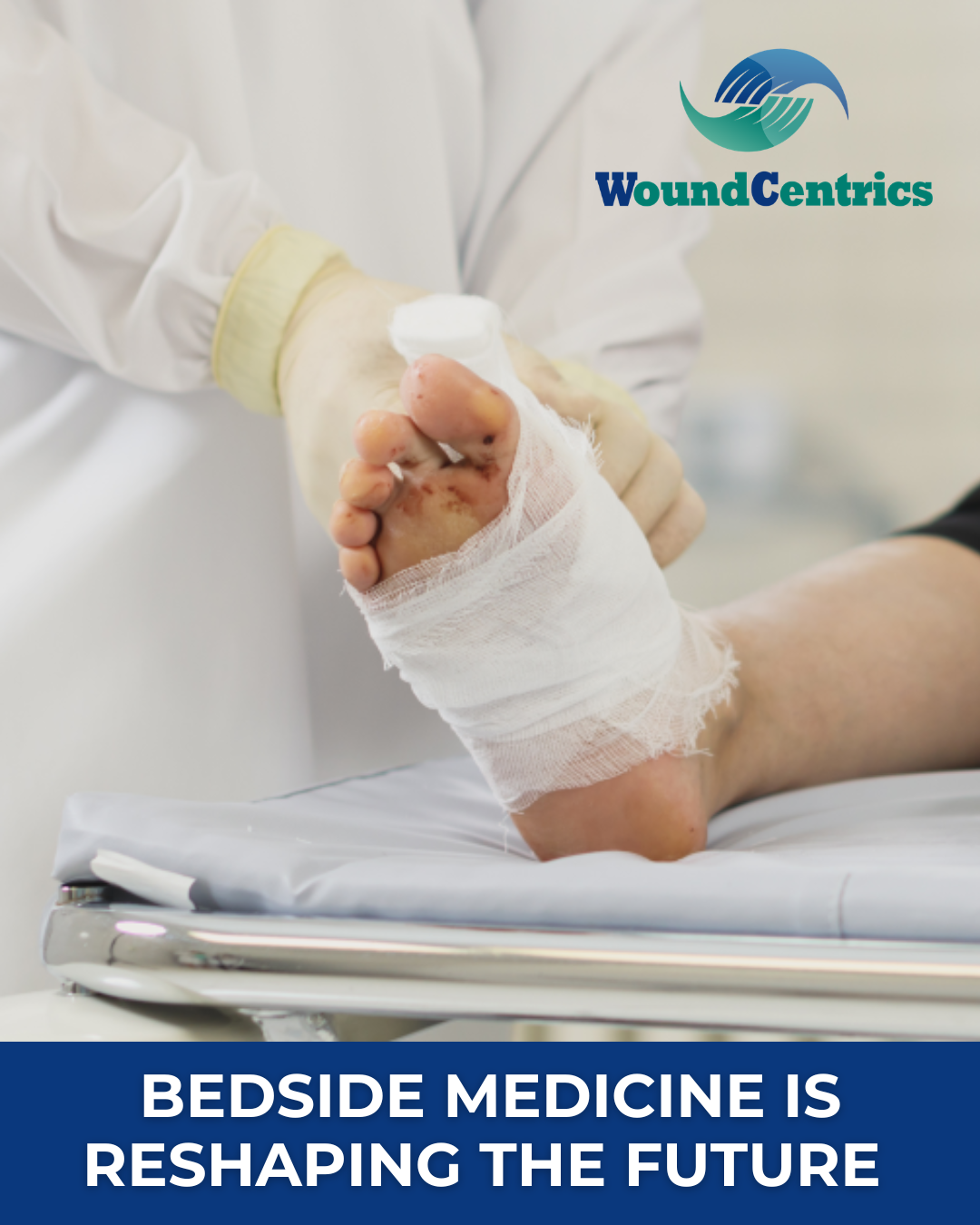
Wound care no longer depends solely on operating room availability. Across General or Short-Term, as well as Long-Term Acute Care hospitals, inpatient rehabilitation facilities, and skilled nursing facilities, bedside debridement is reshaping how clinicians manage complex wounds. This approach delivers hospital-level procedural care directly to the patient, reducing delays while maintaining high-quality, oversight, and clinical rigor.
Debridement remains a cornerstone of effective wound healing. When clinicians delay removal of devitalized tissue due to operating room scheduling, wounds stall, bioburden increases, and complications follow. Bedside debridement enables physicians to intervene promptly using sharp or surgical techniques at the point of care—without compromising standards. By aligning assessment and intervention in real time, clinicians improve wound progression and reduce infection risk.
In acute care hospitals, bedside debridement shortens time to treatment by preventing unnecessary procedural delays. In LTACHs, it supports medically complex patients who cannot tolerate frequent transport or repeated surgical interventions. Inpatient rehabilitation facilities benefit from faster wound stabilization, allowing patients to remain focused on recovery goals. In skilled nursing facilities, bedside debridement helps prevent avoidable hospital transfers, which are highly associated with adverse events such as pressure injuries, and supports continuity of specialist-led wound care.
For patients, this model means faster intervention, fewer disruptions, and improved healing trajectories. For clinicians, it restores autonomy and efficiency. Physicians maintain direct oversight of wound progression, respond immediately to changes, and adjust treatment plans without fragmentation.
Technology strengthens this model without replacing clinical judgment. Advanced wound imaging, digital measurement, and AI-supported analysis improve documentation, guide debridement decisions, and enable objective outcome tracking. These tools allow clinicians to intervene earlier and refine treatment strategies with precision.
Bedside debridement also aligns with value-based care. Rather than focusing on procedural volume, programs measure success through healing rates, limb preservation, infection reduction, and avoidance of unnecessary hospitalizations.
Bedside debridement is not a workaround—it is a disciplined, physician-led evolution of inpatient wound care. By removing logistical barriers and delivering timely intervention across inpatient settings, this model raises the standard for wound management and improves outcomes where they matter most.